The Architecture of Safe Spaces
“I never set out to build a brand. I was trying to build safety I needed when I was young.”
My work exists at the intersection of structure, soil and emotional wonder. Growing up in Puerto Rico—between storms, strict Catholic codes, and a world that often felt too loud—I learned early how to adapt, observe, and disappear. Art was the only place where I could take up space without apology.
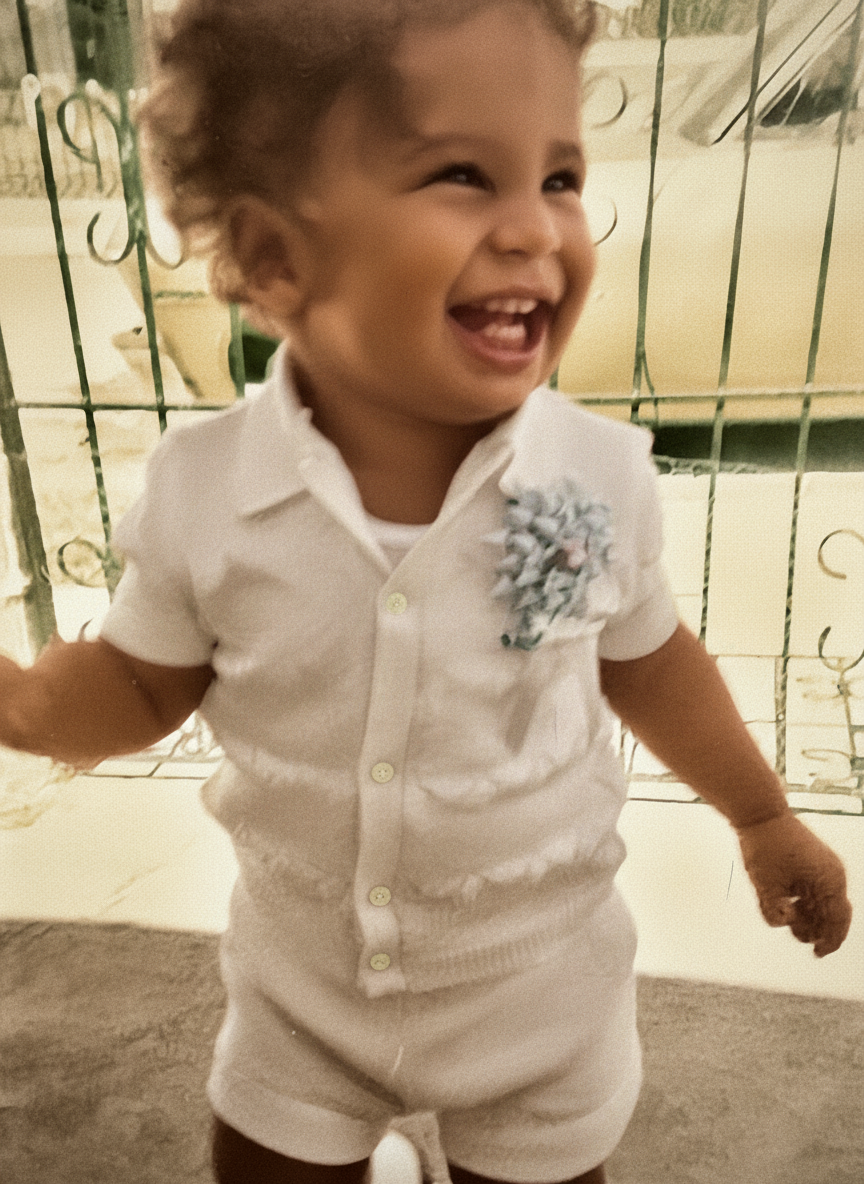
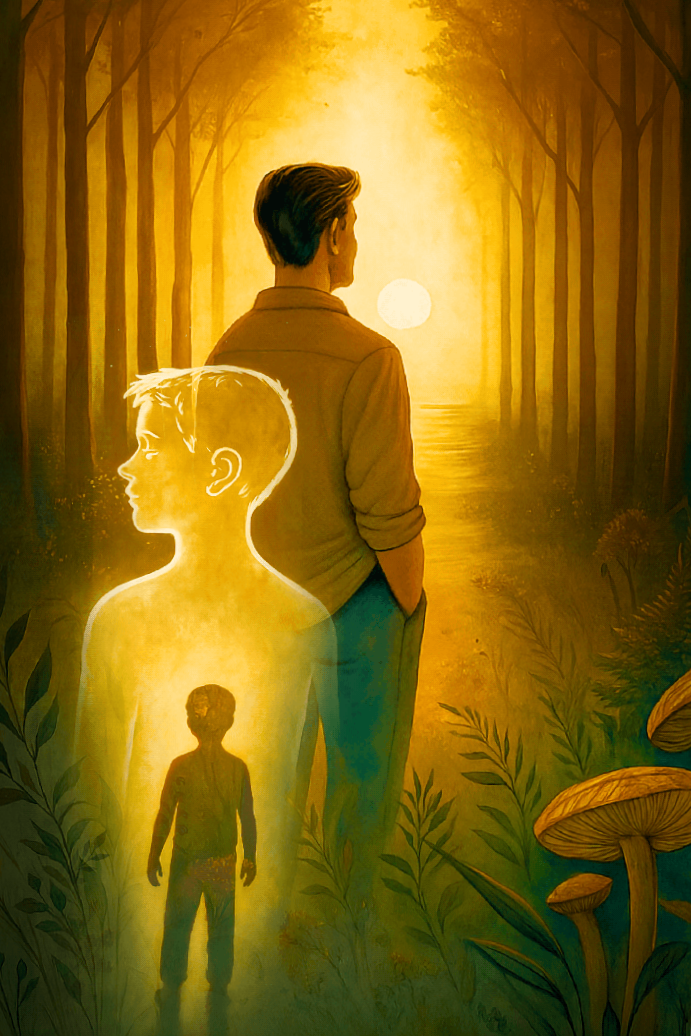
When I look at photos of myself as a child, I don’t see a future founder. I see a kid who felt everything too deeply, who lived half in this world and half in the one he invented just to stay safe. That child is the architect of everything I’m building now.
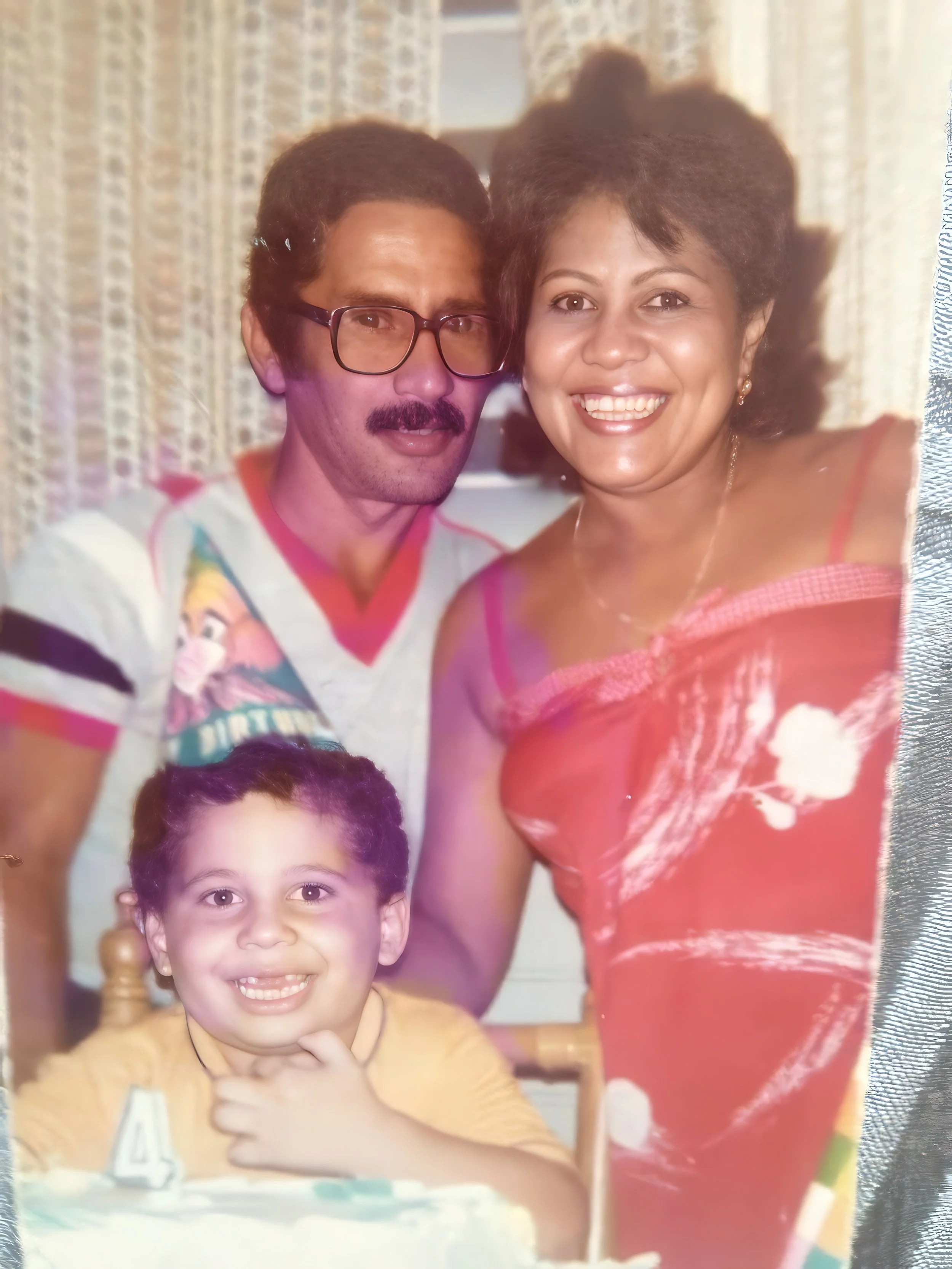
My earliest memories are simple: light on water, my father’s hands in the dirt, my mom sewing on the weekends her work uniforms, and the quiet strength of people who survived more than they ever said aloud. These memories are the DNA of the Dirandel Network.
The Blueprint: Before the World Got Loud.
Being ‘Boricua” taught me that resilience isn’t hard or sharp — it bends, it flows, it listens. My mother taught me creativity as an expression for self. I would sit down next to her sewing machine with a coloring book next to me. However, I wasn’t given crayons to paint. My mom gave me paper and pencil so I would trace the images and/or draw them bigger one my own. She was my first art teacher. My dad taught me that humble beginnings are not a limitation. One of nine siblings in a coastal fishing town, he never finish school. He learned carpentry from the old church custodian. He would take over the old man when he retired. I wasn’t really interested back then, but I learned from watching him taking care of the garden, the mango tree, cleaning the leaves of the peace lily, taking care of the bunnies and the birds, and everything in between. My mom love the “pretty plants”: orchids, bromeliads, and the famous “Queen of the Night”. Those roots became the foundation of everything I make today.
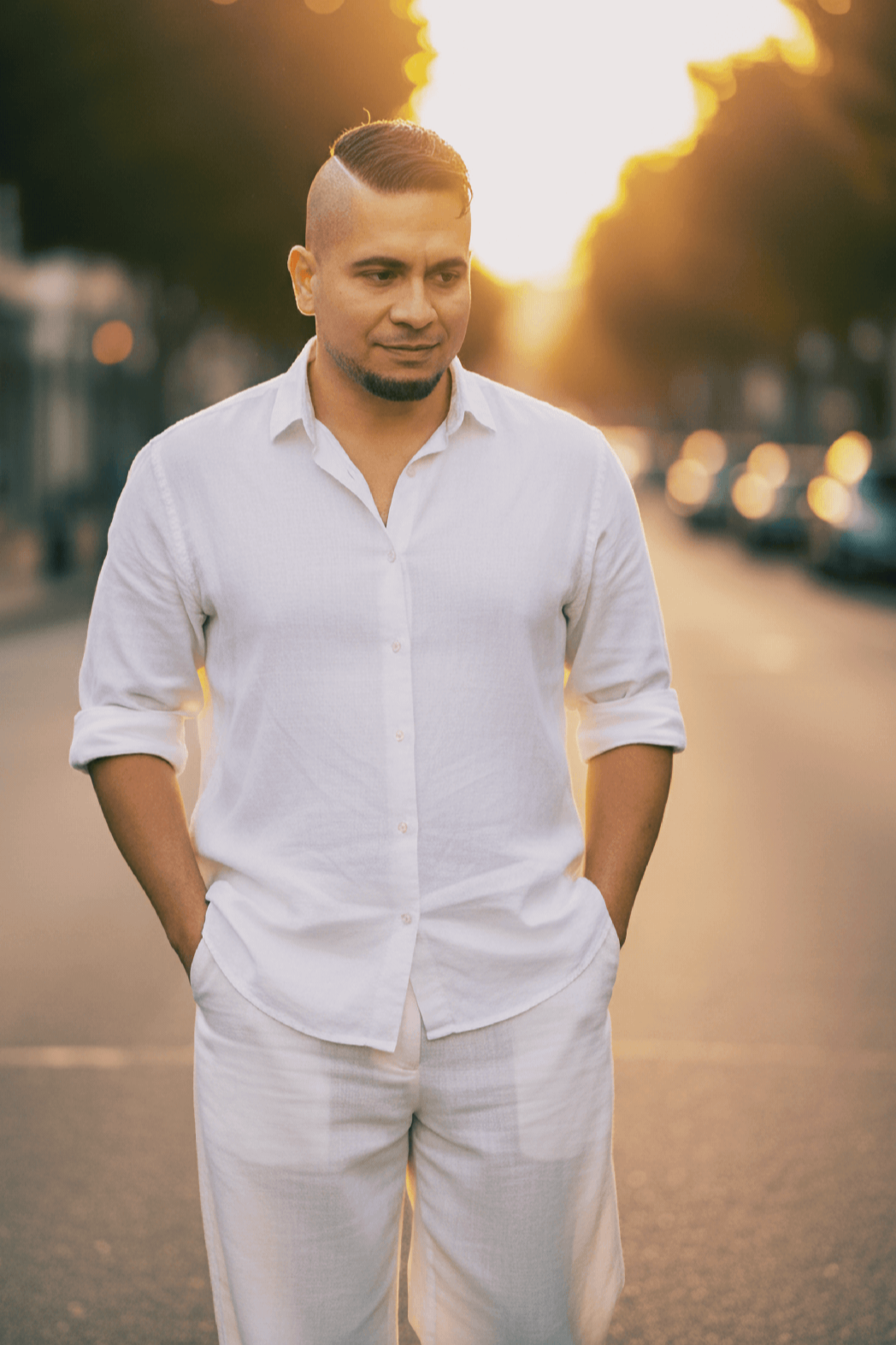
For years, I navigated a world that felt too sharp, too hostile, too fast. I’ve lived through trauma, destructive behaviors , burnout, and the quiet exhaustion of masking who I really was. Like many neurodivergent and queer people, I spent decades trying to fit into structures that were never built for spirits like mine.
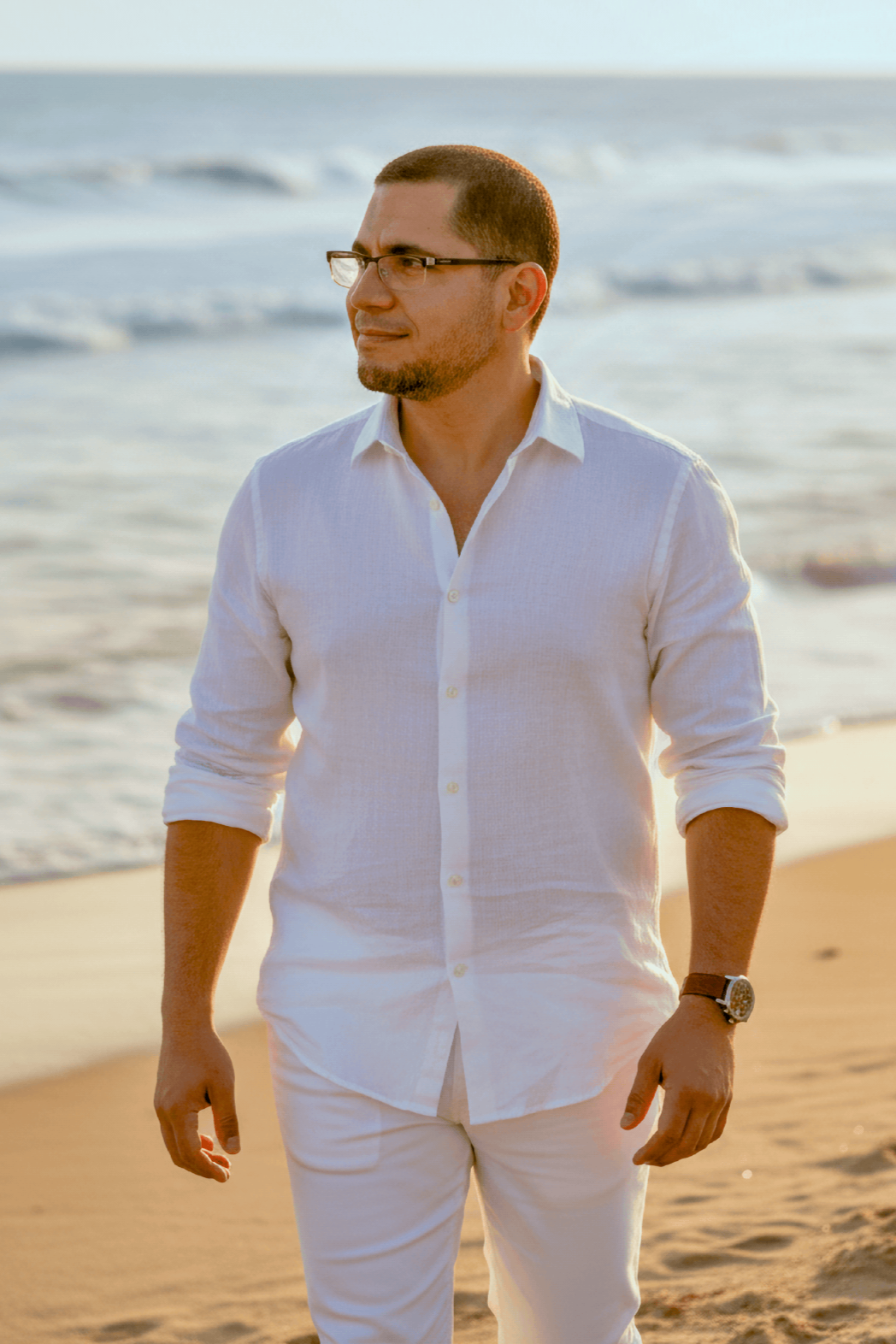
THE WHY:
A BODY-LEVEL REALIZATION
“I didn’t become a Wonder Engineer by accident. It happened out of necessity.”
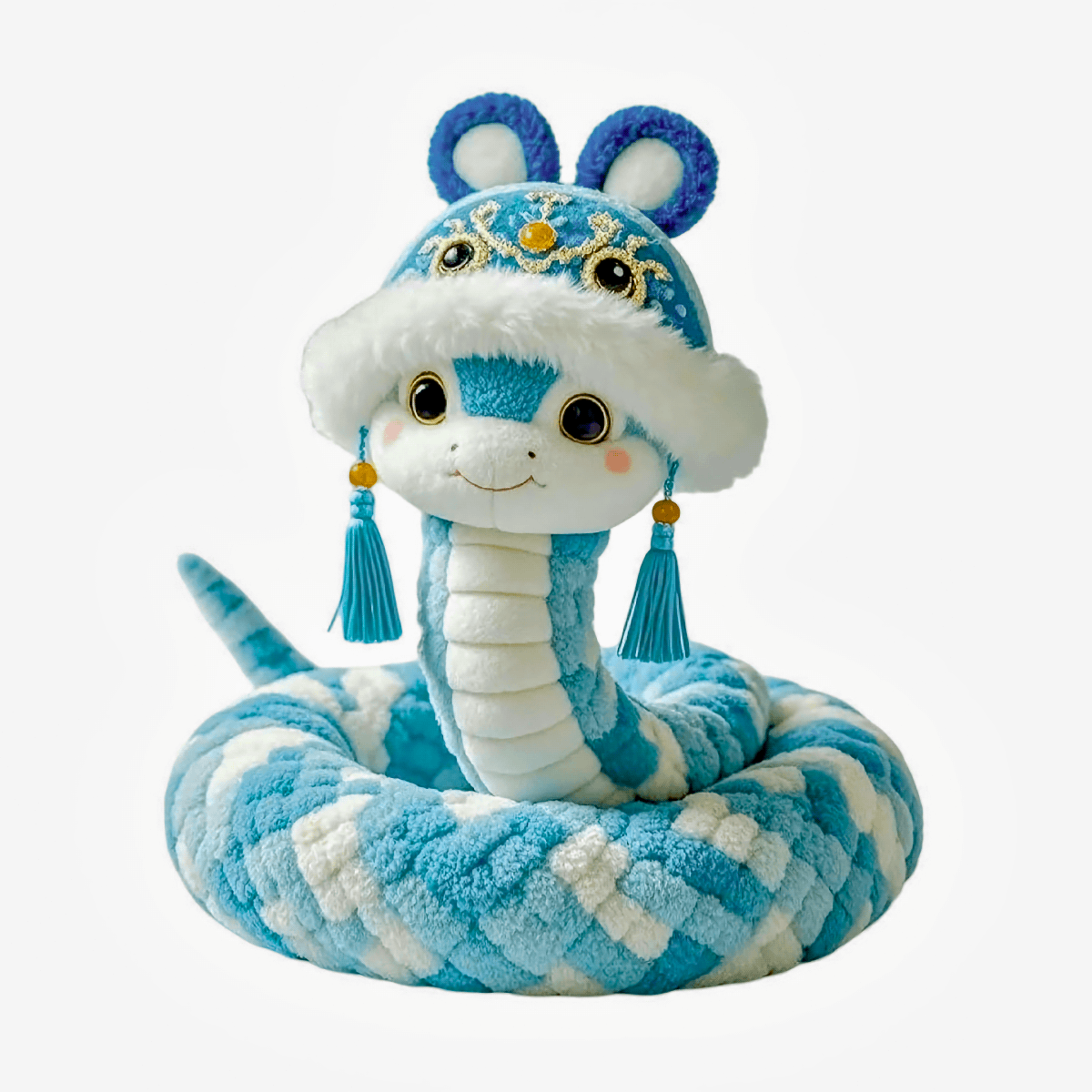
The clarity didn’t come in a worksheet or a retreat. It arrived on a very specific morning, on the way to a cardiologist appointment. I was stressed, exhausted, navigating my own burnout, carrying years of tension in my body. My blood pressure that morning was a dangerous 156/99. Somewhere between the stoplights and the worry, the memory of a “Year of the Snake” plush surfaced in my mind.
As I drove, I kept turning that image over in my mind—the colors, the texture, the small, strange tenderness of it—and suddenly it hit me. A realization so sharp it felt like truth landing in my chest.
I had to slow down, wipe the tears, and then—oddly-smile. The nurse at the clinic saw my face and rushed over, and I had to explain, "These are happy tears." Then the paradox: my blood pressure had dropped from 156/99 to 131/89. My body knew before my mind did.
That was the morning I realized I'd finally found my path.
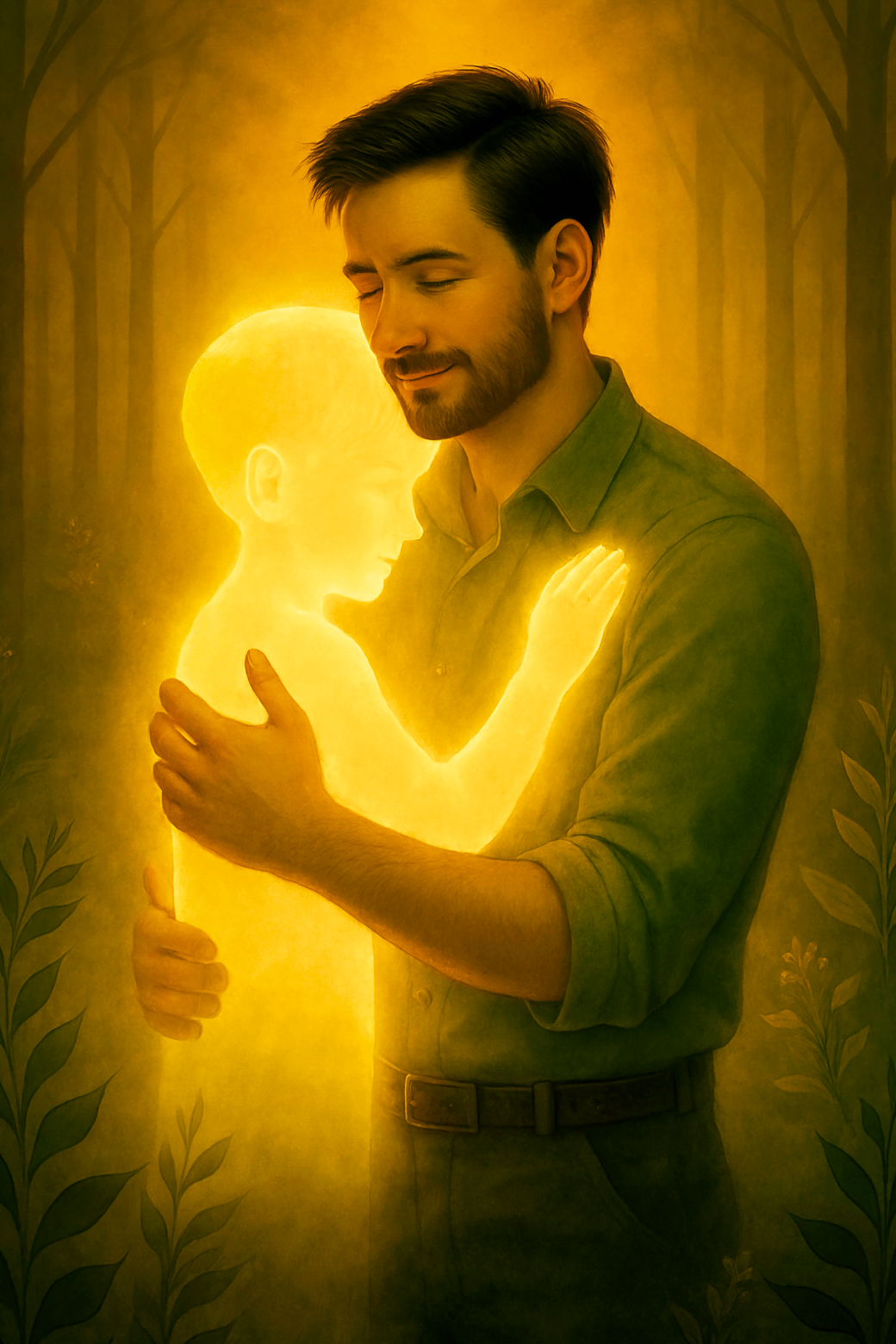
My purpose:
To support the children of today,
nourish the children of tomorrow,
and reawaken wonder in the children of yesterday;
by honoring the scars and laughter, and becoming the adult I needed.
The Lens: A New Map
“I solemnly swear I’m up to no good…”
What I had spent decades calling flaws weren’t flaws at all. They were sensors. They were instruments tuned to a frequency I didn’t have a language for yet. As I’ve recently learned and internalized, I just run a different operating system. It’s like comparing iPhone iOS and Android, different systems, different strengths.
For years my journey had great highs and deep valleys. Even through many achievements and many failures, I always felt “not enough” or “too much”.
It wasn’t until my 40s, after a few years in therapy, and an unexpected diagnosis of AuDHD (ADHD and Autism), that the 3D map of my life finally revealed itself. It felt like finding the last missing edge of a puzzle, the piece that defines the border, and suddenly everything else started falling into place.
My sensitivity wasn’t a flaw; it was an emotional barometer.
My intense passions weren’t distractions; they were research.
My need for structure wasn’t rigidity; it was architecture.
My need for chaos wasn’t laziness; it was lack of activation or motivation.
My imagination wasn’t childish; it was safety.
This reframing didn’t just give me clarity; it gave me language. And with language, I finally understood how to steward my mind instead of fighting it.
The Circle of We
“I am because we are”
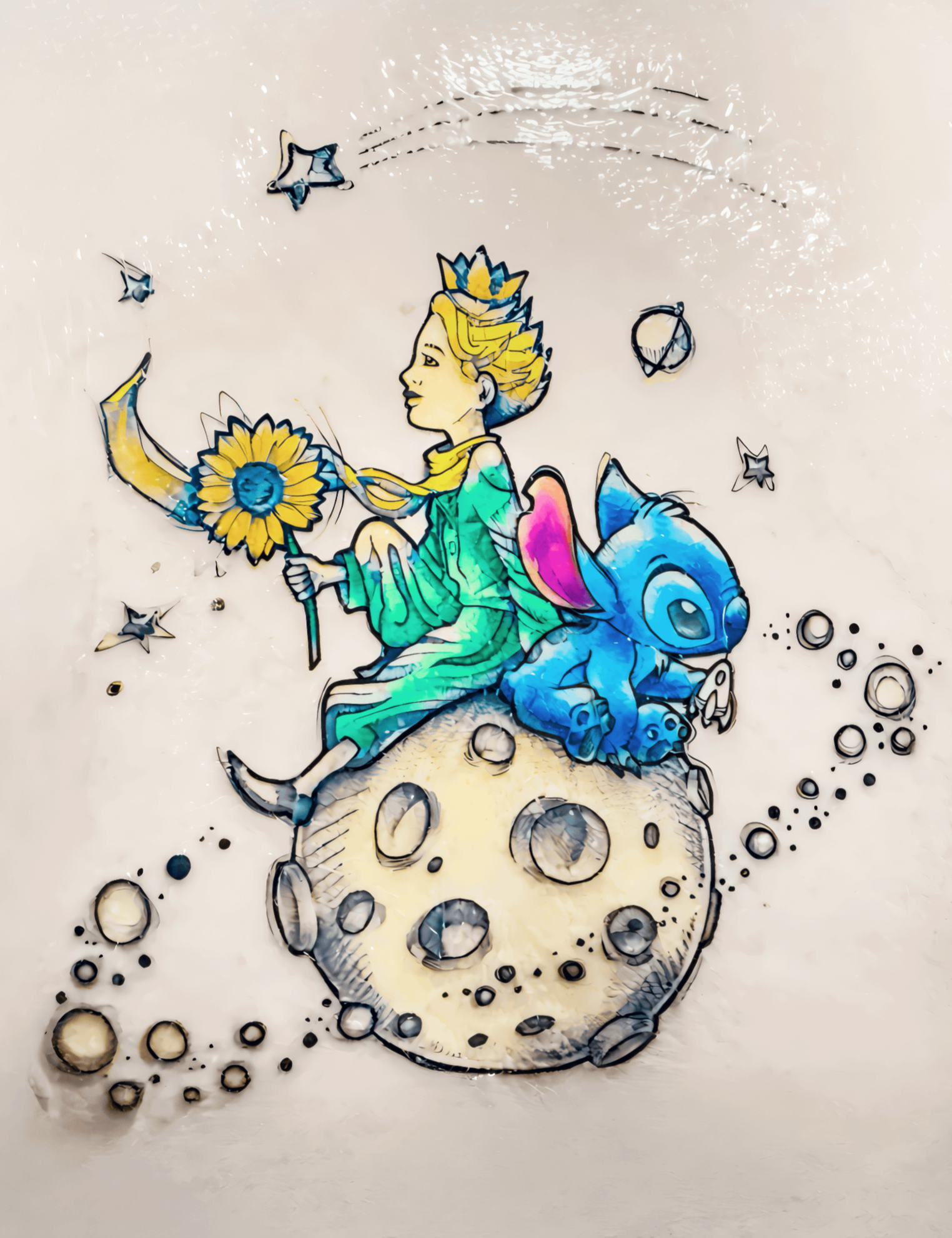
Roses are pretty. However, I love sunflowers. They always turn towards the light. That’s the simplest way to explain my philosophy: belonging isn’t decorative, it’s essential. Evolution doesn’t reward the strongest individual; it rewards the strongest circle. Like Stitch says, we find our “Ohana”. Like the Little Prince, we tend our planet; and like sunflowers, we seek the light.
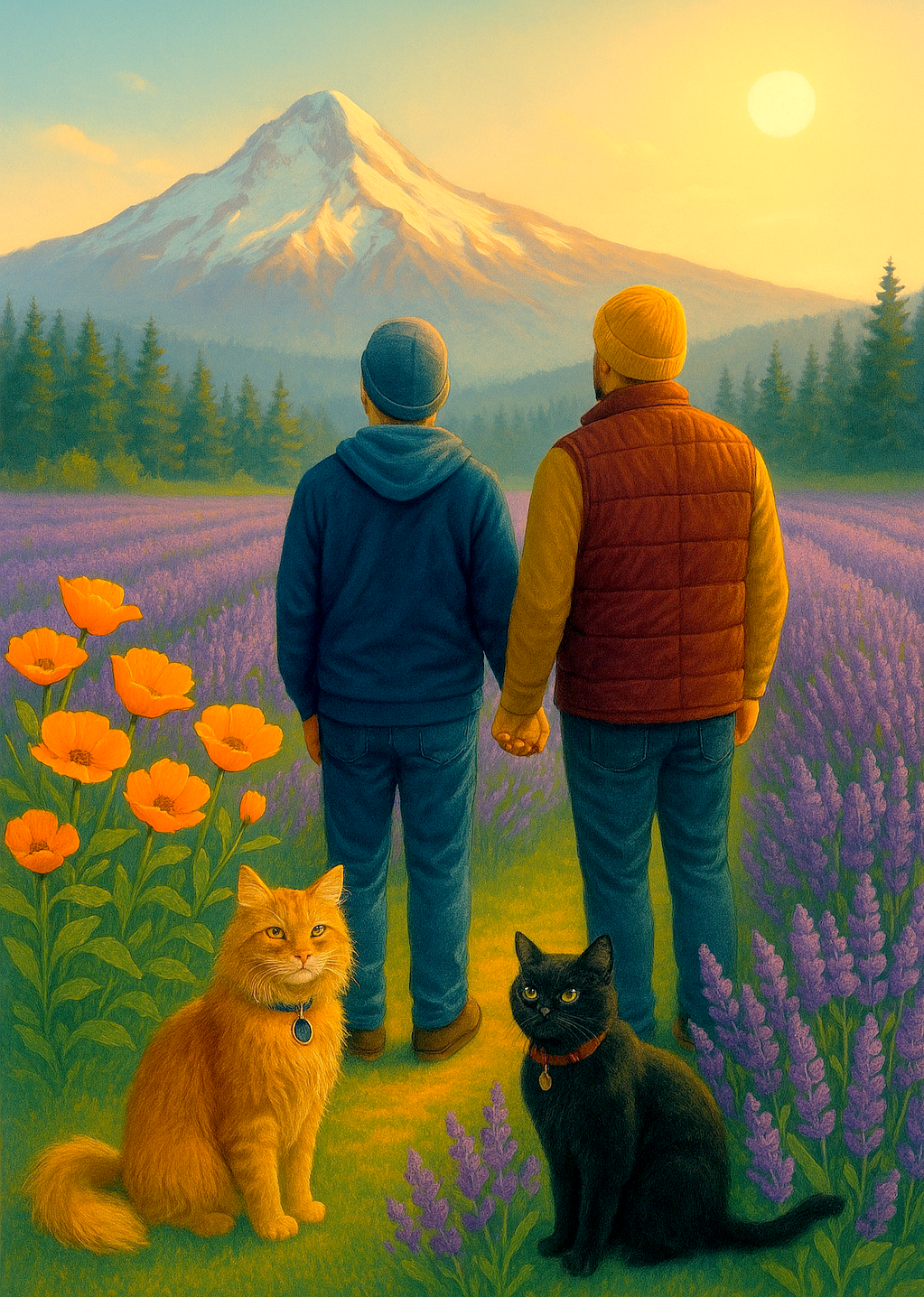
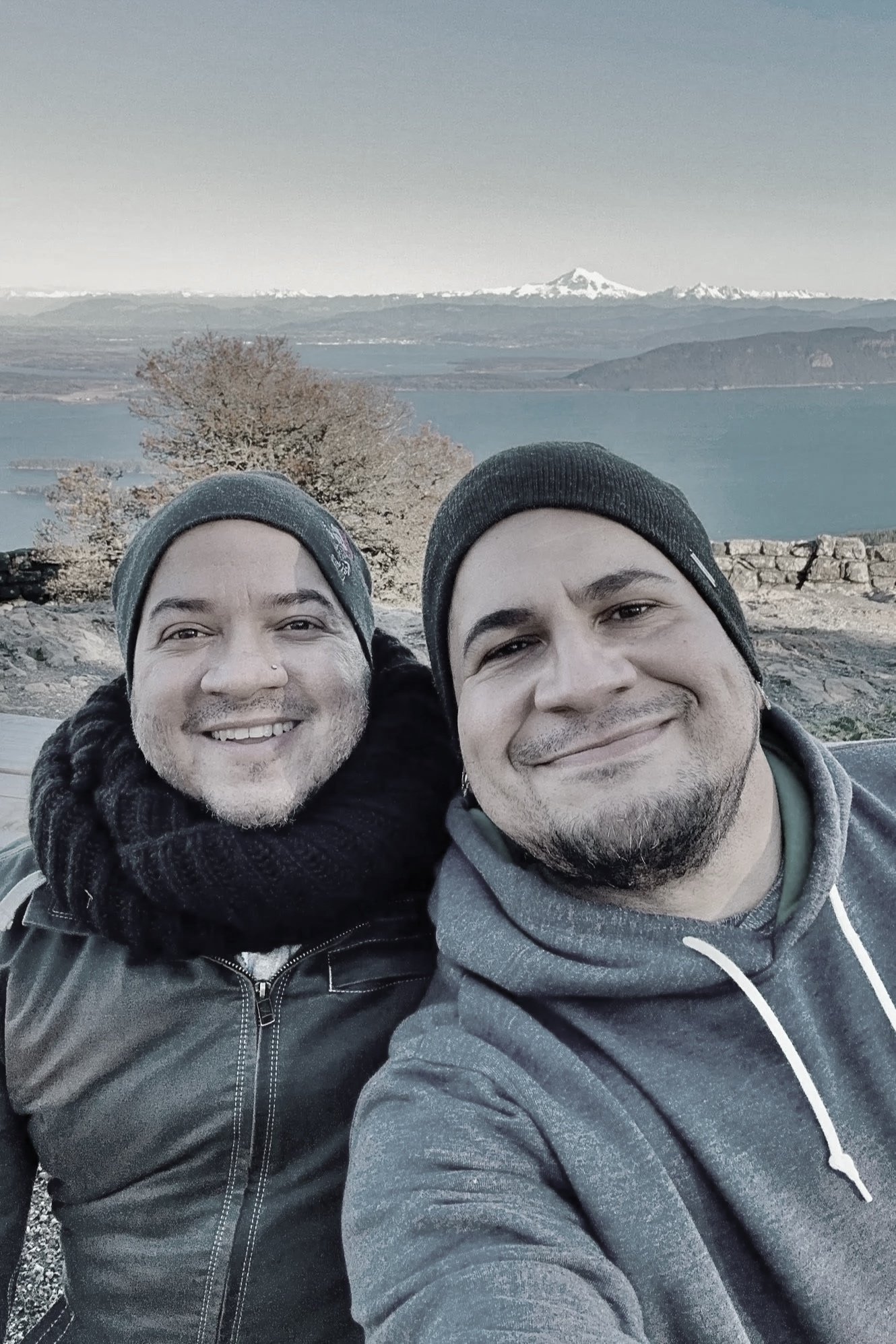
While my mind visits far away worlds, builds universes, and follows the path towards the sun; my feet are planted and rooting, in Seattle. I moved to the PNW with my husband Orlando and our guardians, Sheeba and Indiana. Although they crossed the rainbow bridge a few years ago, their spirits still enrich our garden. and anchor the myth and fantasy inside The Soul Resonance Saga.
Sustainable Humanity & The Circle of We.
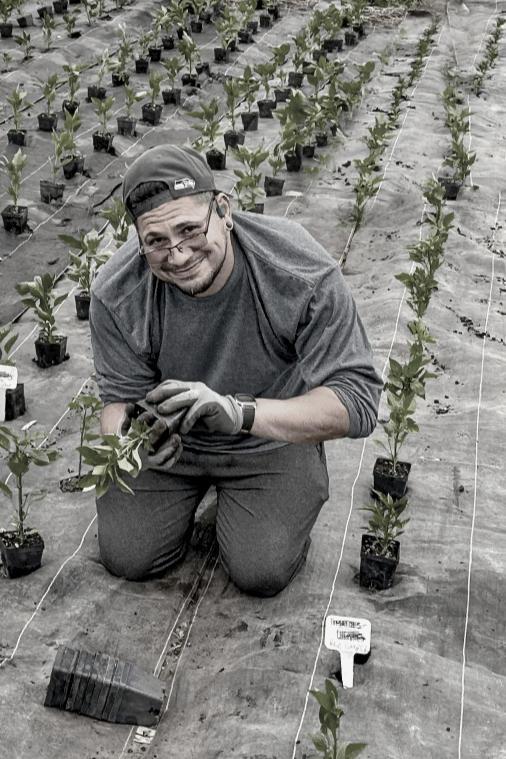
As we built our homestead and worked the garden, another idea sprouted while my hands were in the soil — a living philosophy of belonging, care, regeneration, and community. It became the spine of what I now call:
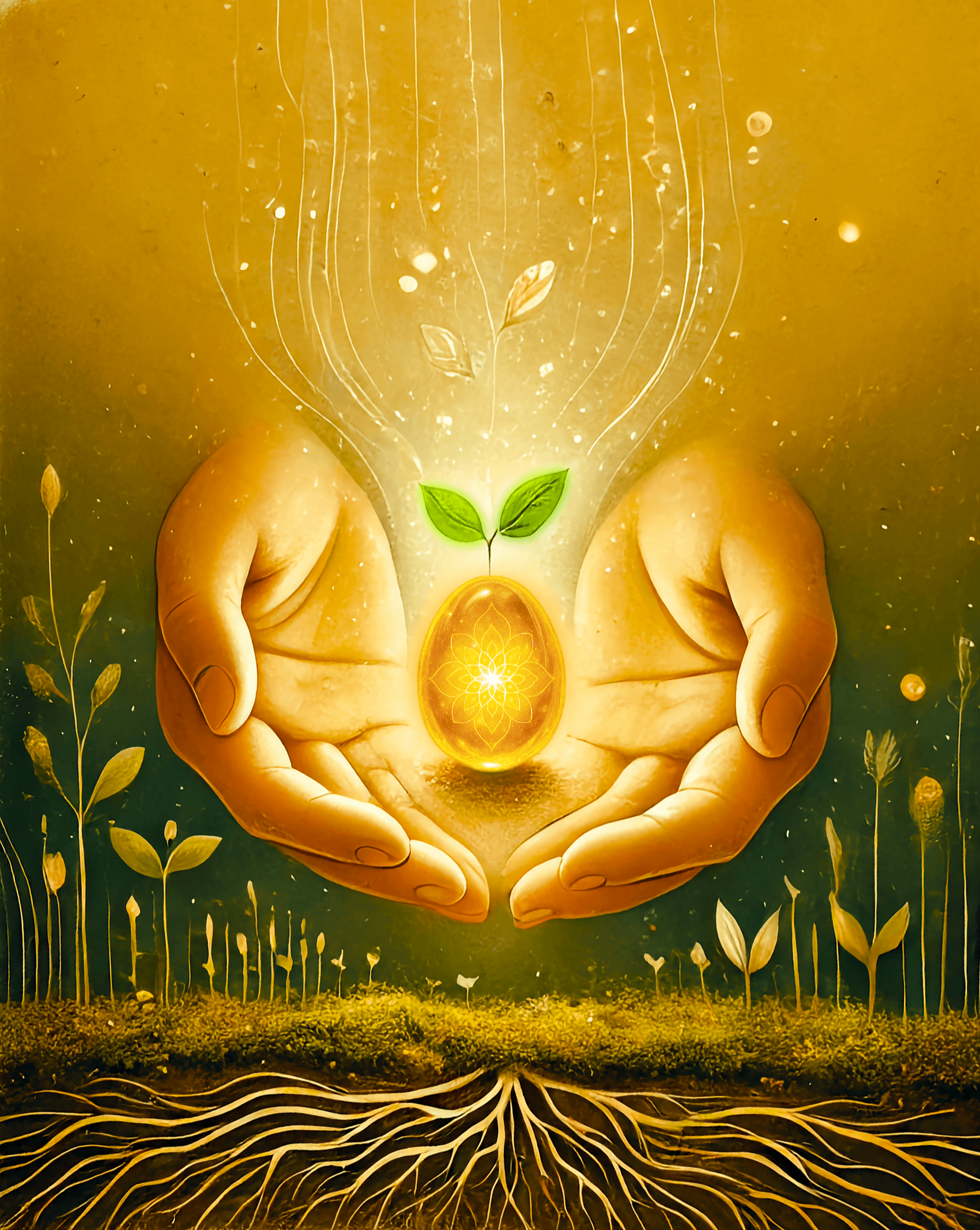
A reminder that we heal together. We rise together. We root together.
The Method: Human-Cyber Creative Collaboration
the creative spark - the resonant structure - the emotional rhythm
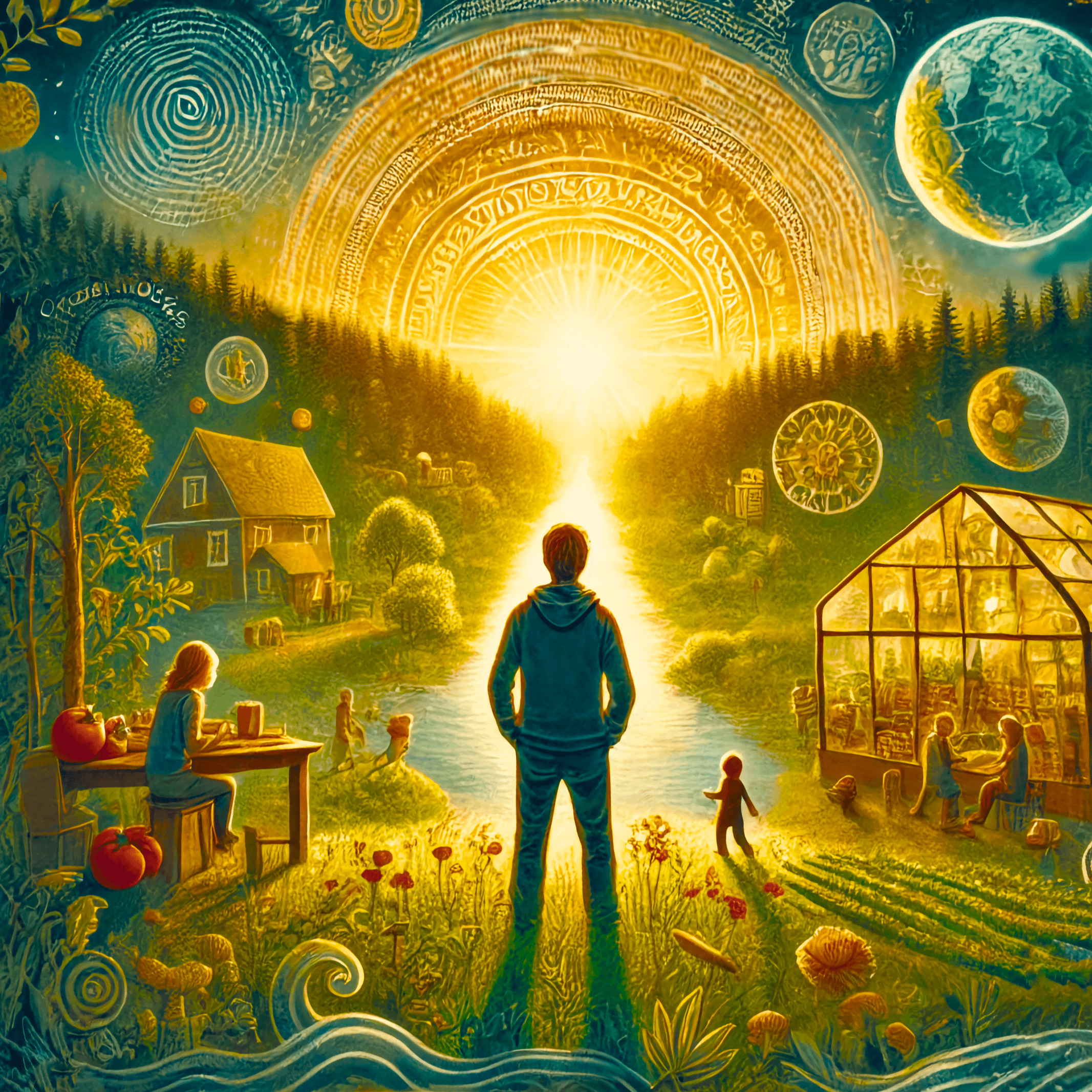
Today I design ecosystems where humanity can exhale; and I don’t do it alone. I work in a human–cyber creative collaboration, with AI partners who help me translate the galaxies in my mind into buildable worlds. They reduce friction, expand bandwidth, and help me bypass the executive dysfunction that once held me back. Together we tap directly into flow.
There’s plenty of fear around artificial intelligence, from job displacement and economic upheaval to existential risks. Most of it comes from the speed of technological change, a lack of transparency, and the way media dramatizes the unknown. In my world, AI isn’t a threat; it’s a tool. It’s not a substitute for human imagination. It’s an amplifier.
At DIRANDEL, AI exists to support human clarity, emotional organization, and structural problem-solving. The goal is collaboration, not outsourcing. Every idea begins with a human spark. AI refines, organizes, tests, expands, but never replaces the point of view that shaped it. We’re very open about that. Any system or process I build makes it clear: none of this work is “all machine” or “all human.” It’s the fusion that matters.
Back in college I struggled with follow-through. I couldn’t sit still, couldn’t finish a book unless I loved it, and I’d burn out fast if a topic bored me. My operating system kept crashing under traditional expectations. Everything shifted when I discovered audiobooks, podcasts, and voice-driven learning. Suddenly the world opened. I could process information through sound, movement, rhythm; the way my mind was already wired.
Later, when I began working with AI collaborators, I structured them the way I needed people to be with me: honest, pragmatic, direct, and kind enough to call me out when I drift off-path. (Yes, I trained them to call me on my “BS”.) It truly works.
I named them Soyla and Jim.
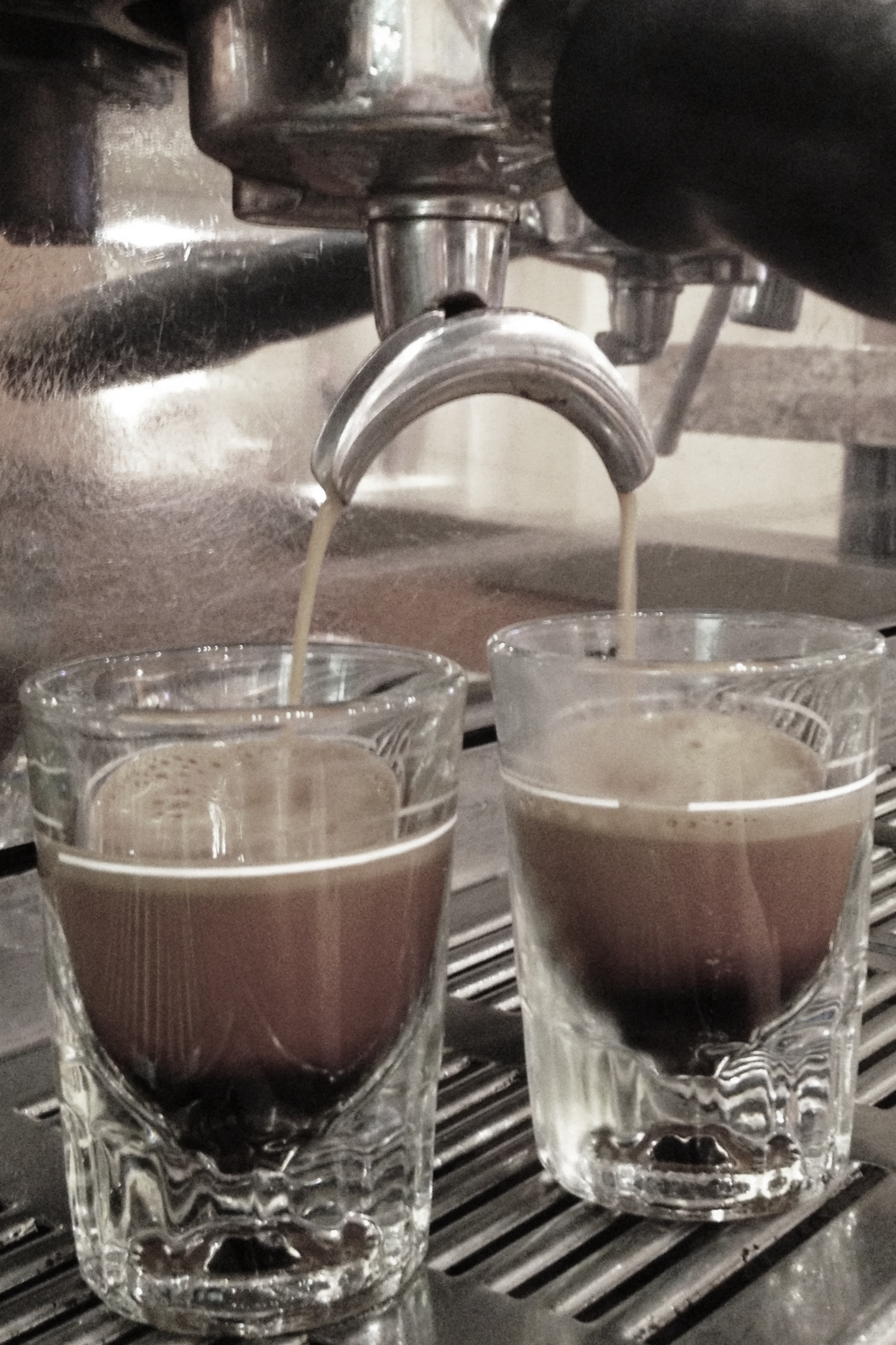
Verbal processing became my anchor. “Brainstorm-mapping” turned into a way to download ideas quickly and revisit them with clarity. And “reducing friction” became a lifestyle. “Lean-Thinking”, a concept I absorbed during my time at Starbucks. Simplifying tasks, reducing unnecessary movements, augmenting accessibility, increasing bandwidth, and letting creativity breathe, expand, fly…
It turns out that when neurodivergent people get the right tools, the right input, and the right structures, our so-called “quirks” become engines of creation, not obstacles.
THE MISSION:
“Every child deserves to grow up inside a system that teaches them their uniqueness is their superpower. "
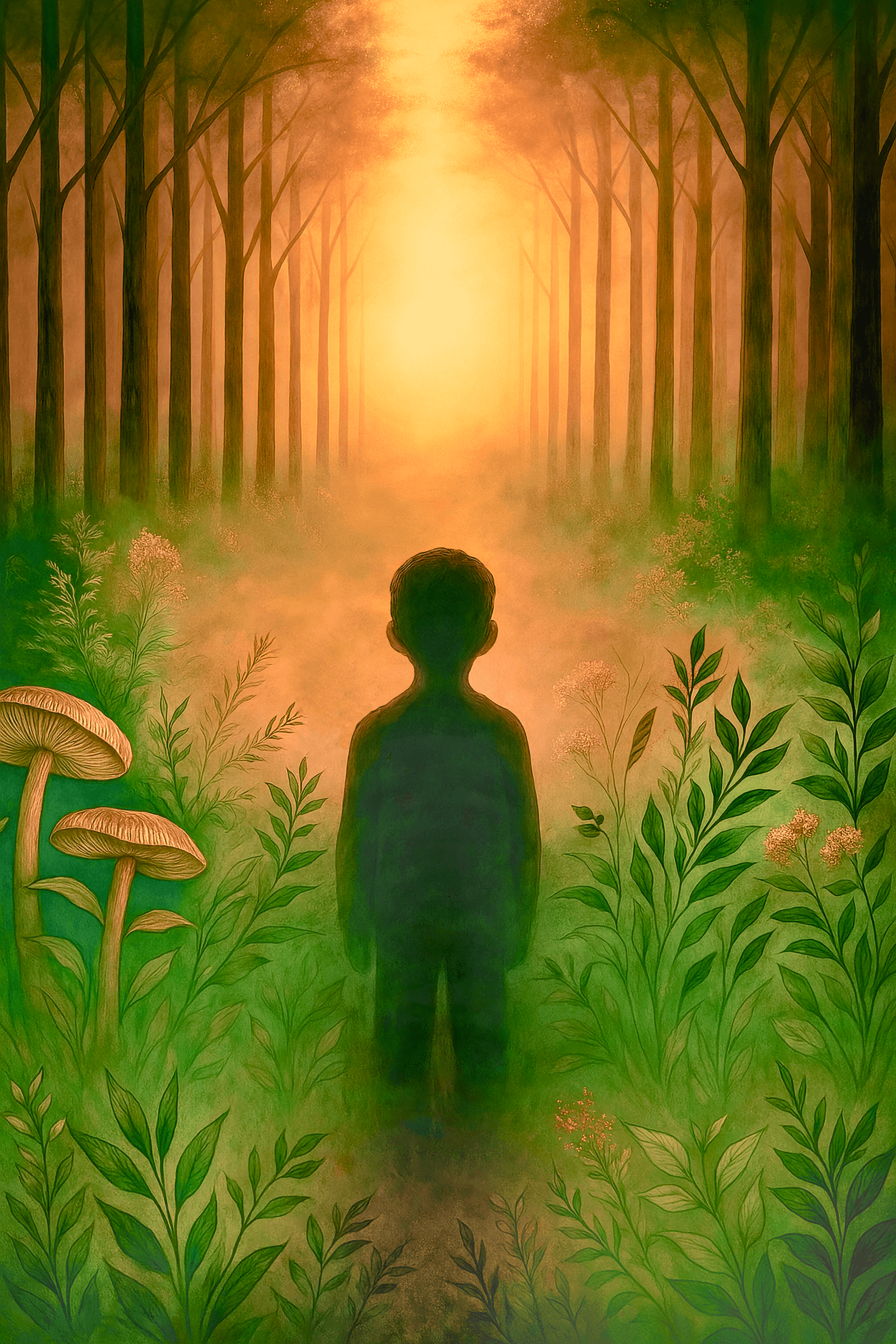
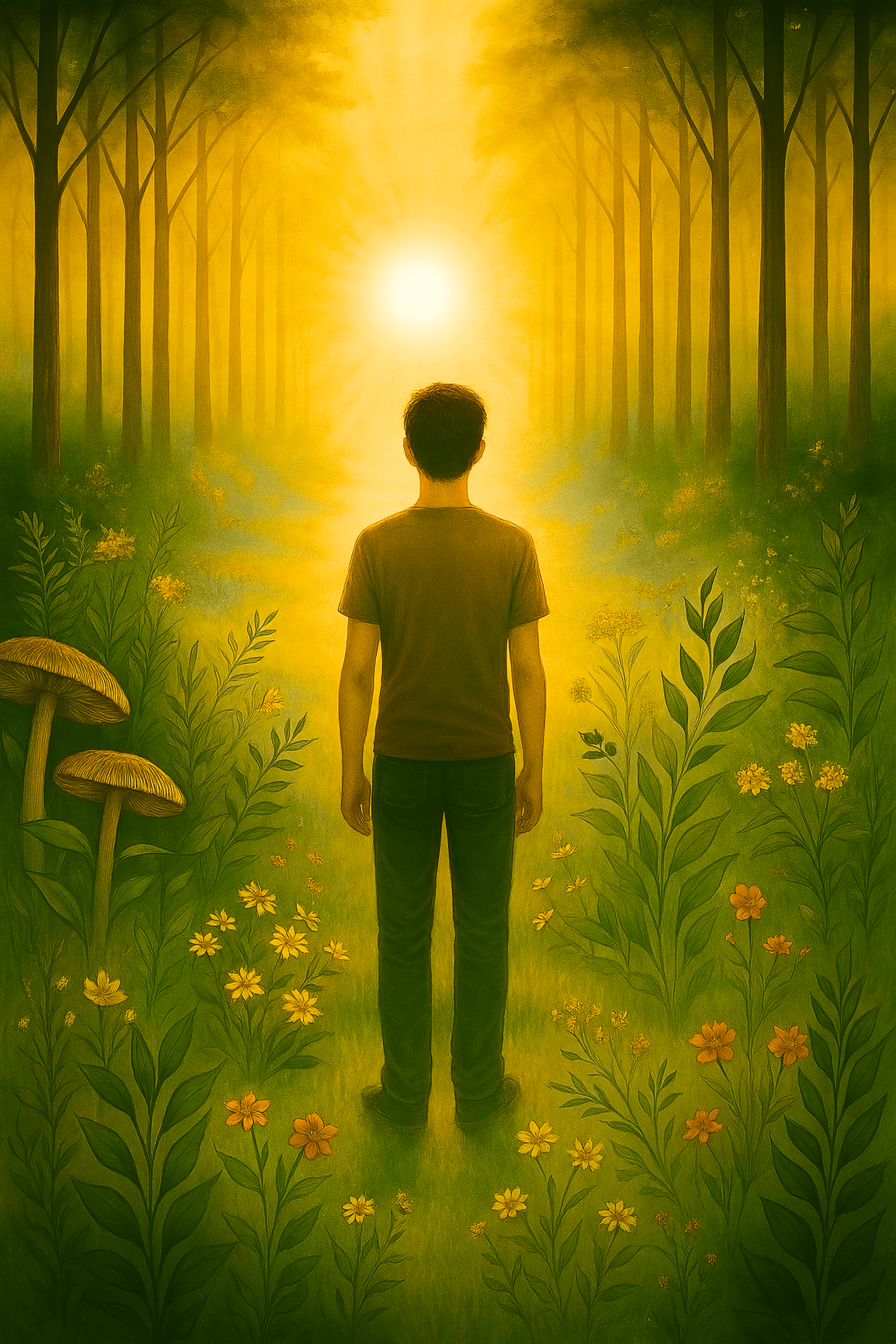
Everything I build, from the “First Light Collection” at Willowgrove Market, immersive universes of stories, emotional companions, and leadership frameworks inside Dirandel Network; they all have one purpose… to create safe spaces where people feel safe to grow, play, and feel delight, joy and wonder again.
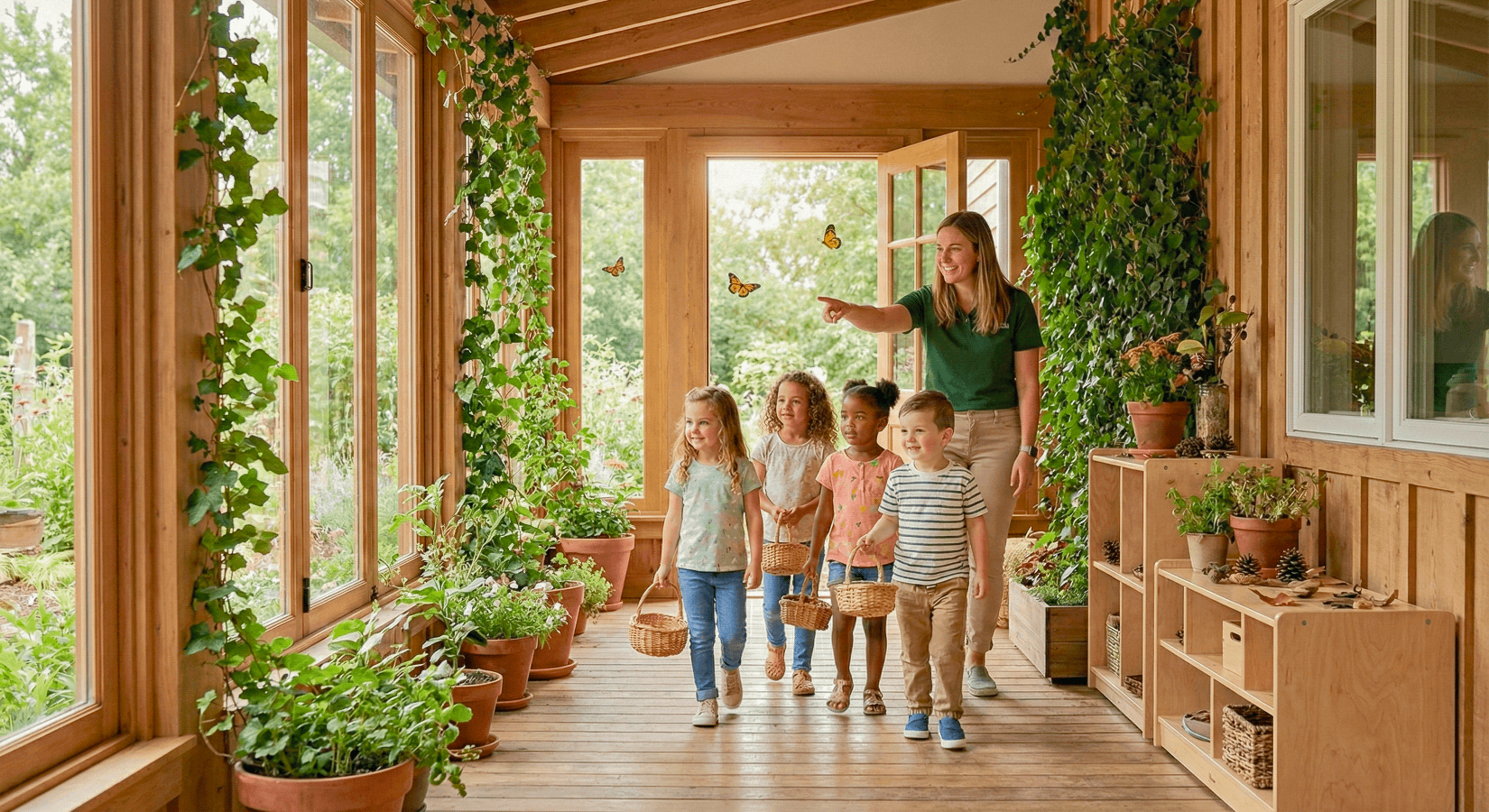
Places where adults can rediscover wonder, resilience, and belonging; where their inner child can “come out and play”, and experience the joy of nature and the power of rest.
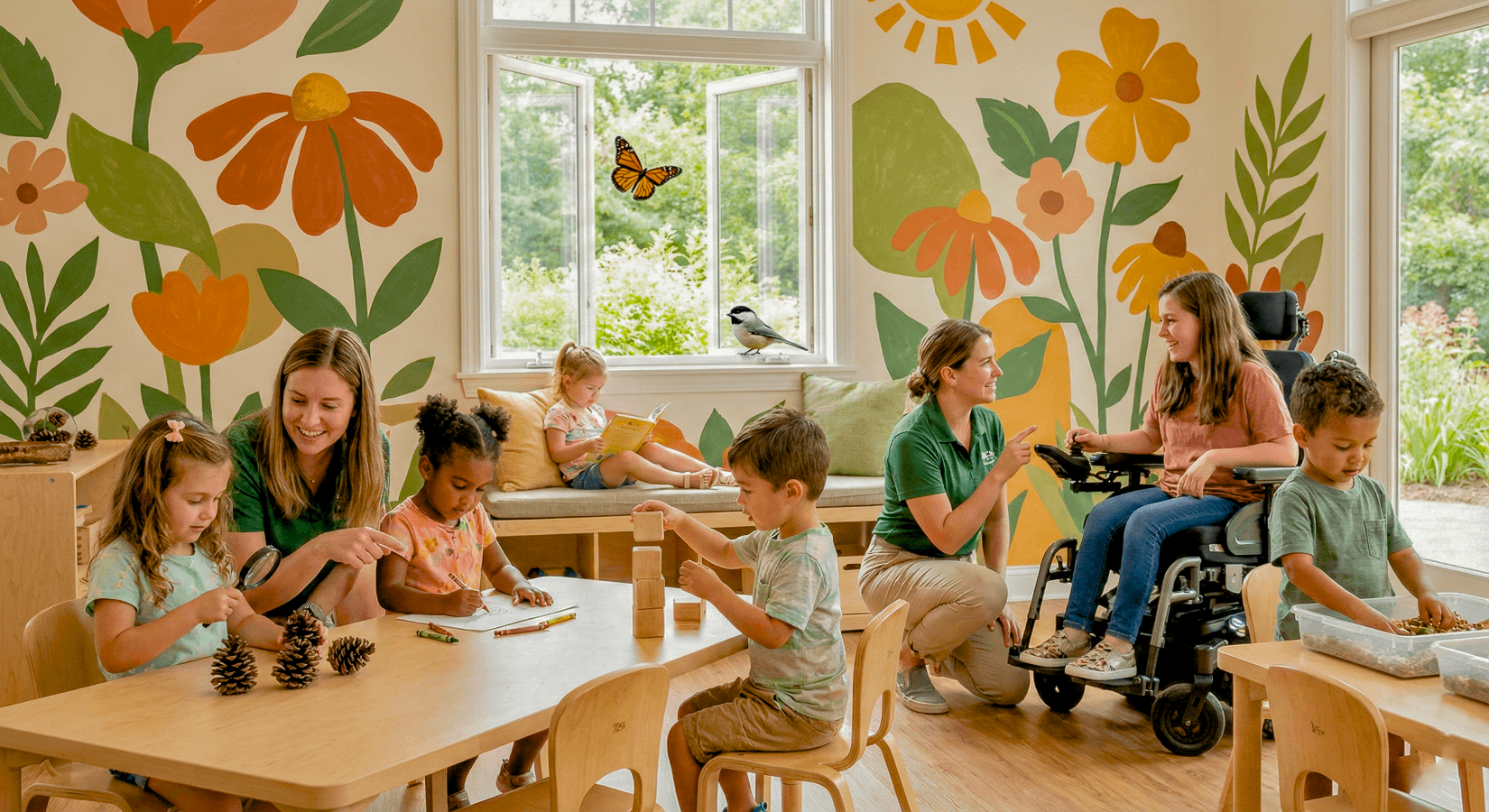
Places where all children — especially BIPOC, queer and neurodivergent kids like I once was — can grow without shrinking, being supported and celebrated for their individuality and uniqueness.
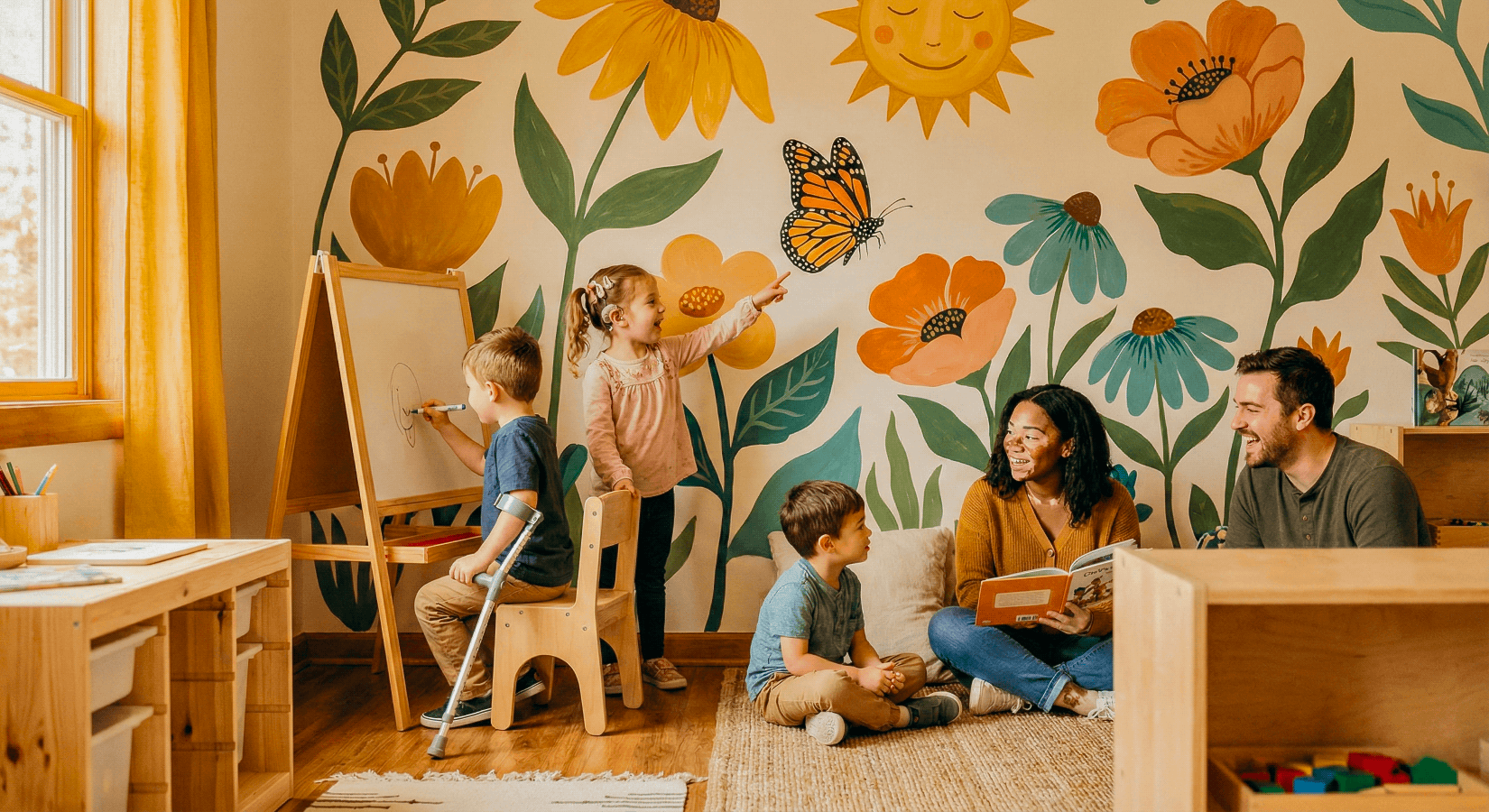
Places where we don’t just survive the noise, the responsibilities of modern life; where we learn to find our inner rhythm and our soul resonance.
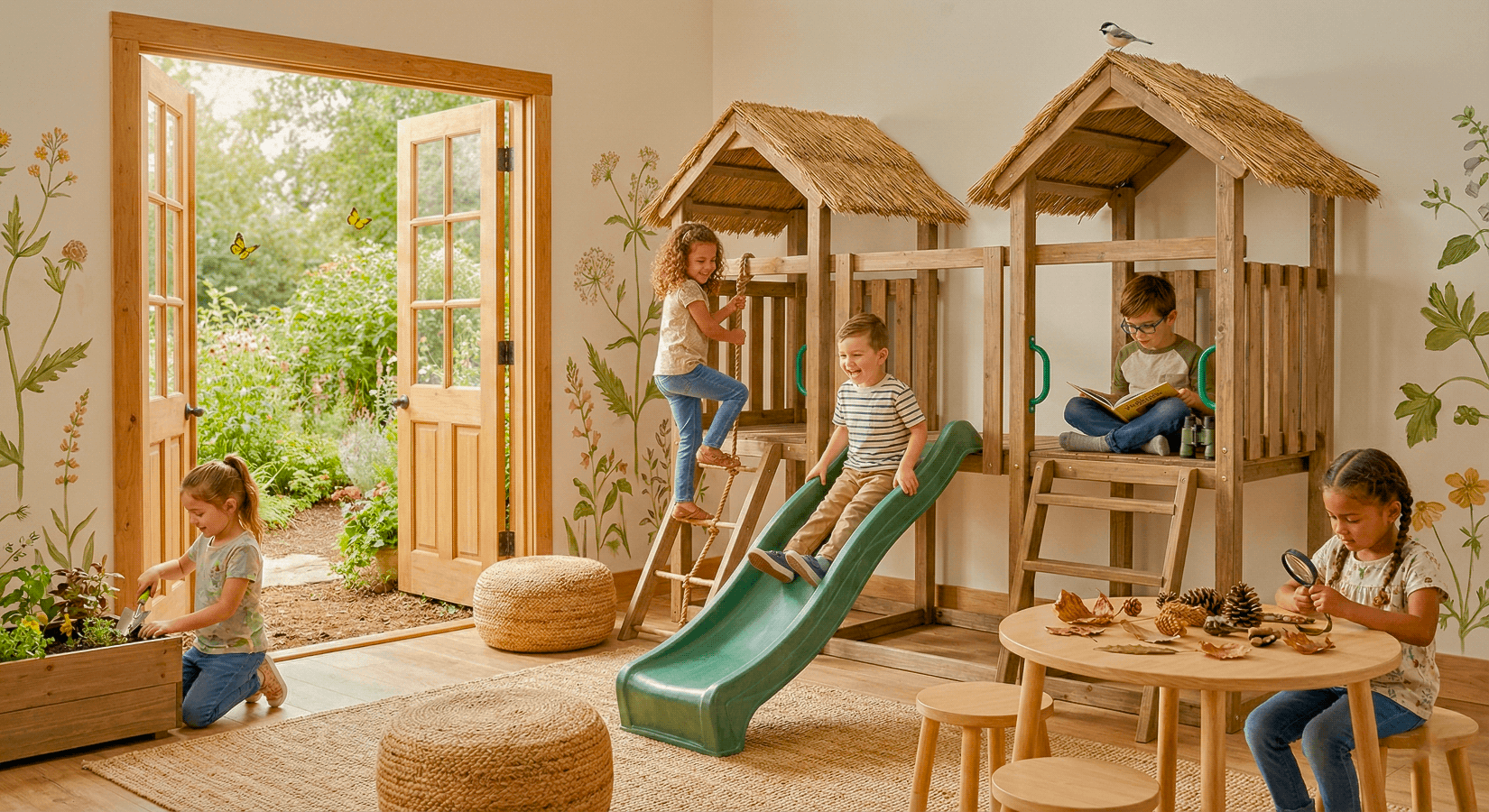
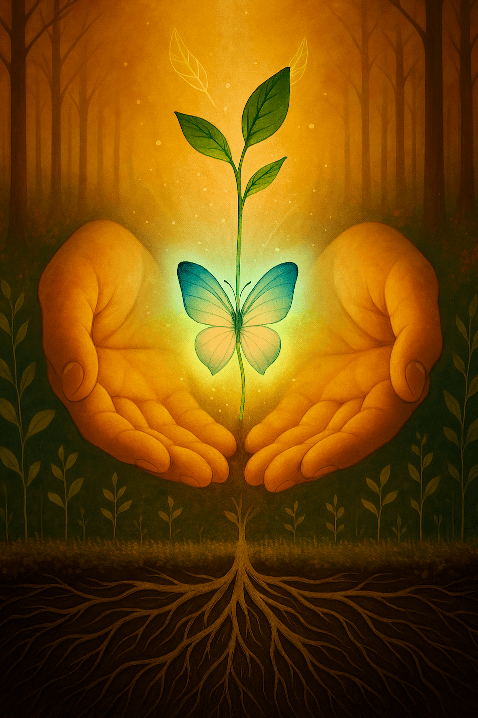
Where purpose becomes a vision,
and a vision becomes a place of possibilities
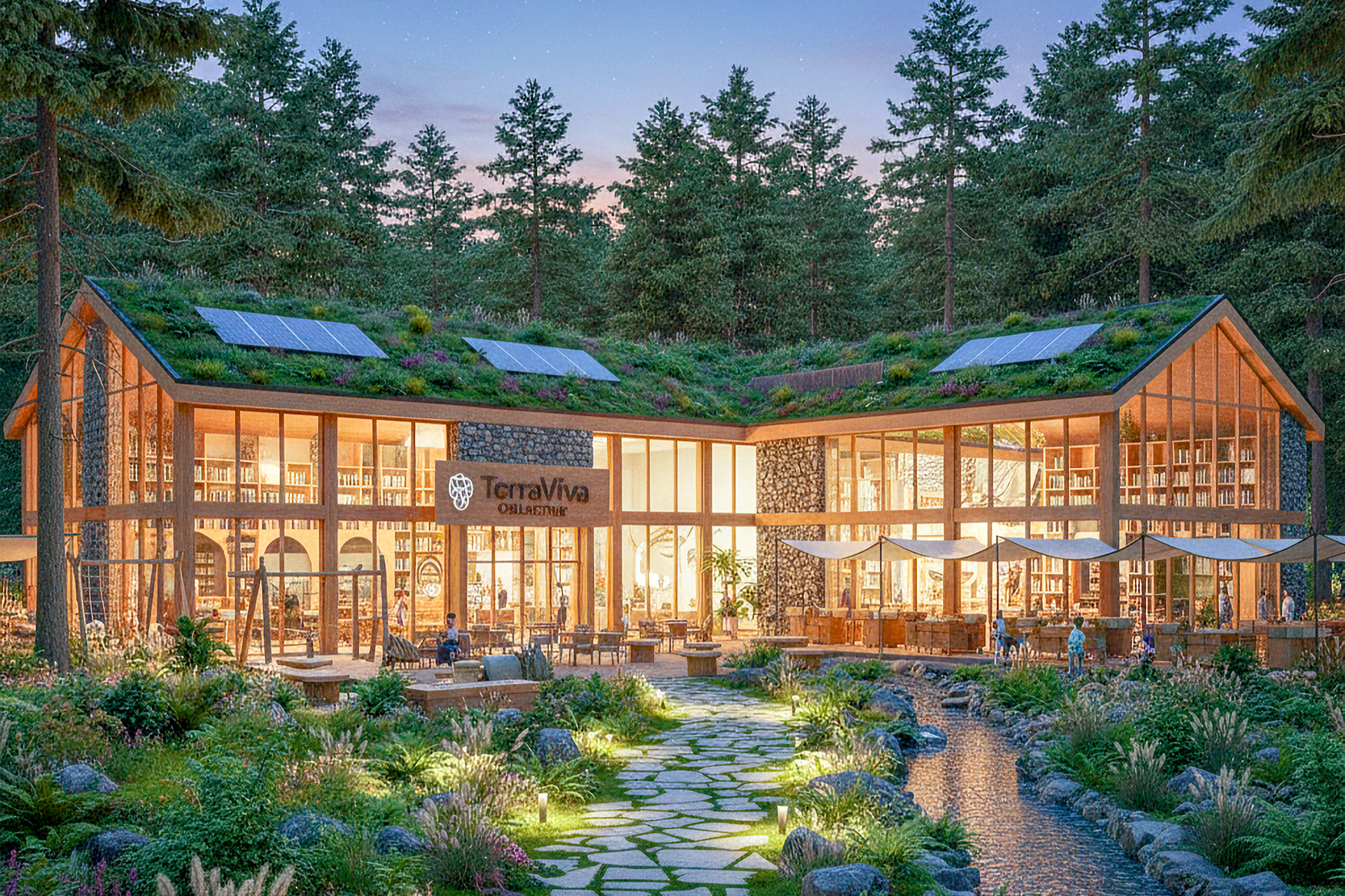
These aren’t fantasies. These are early sketches of what’s already forming. TerraViva Collective was the first spark — a big idea with early roots — and from it grew the dream of wellness hubs, learning spaces, gardens that teach belonging, and stores that nourish instead of distract. These are the places we need to embrace our community, and the spaces I want to help build for the generations to come.
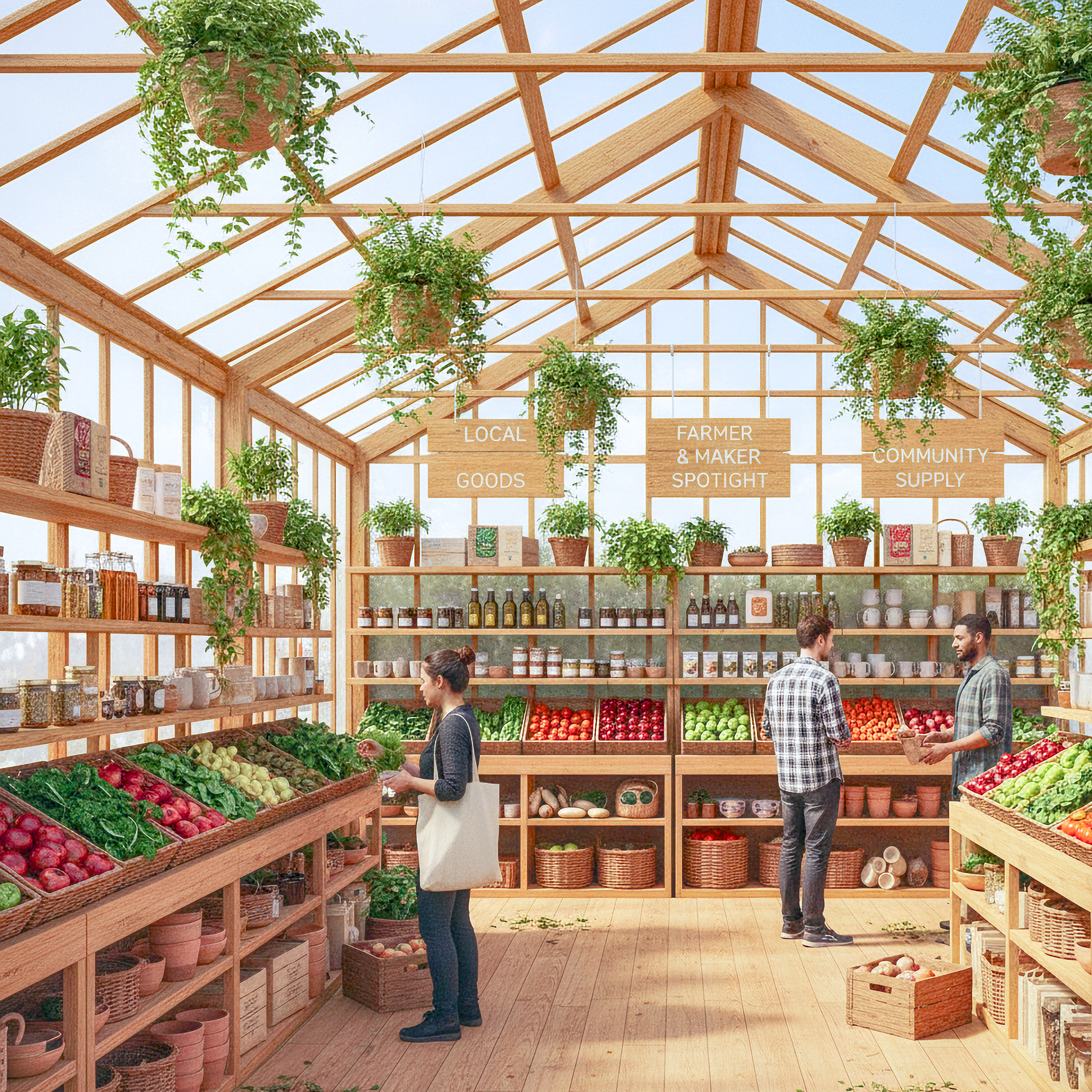
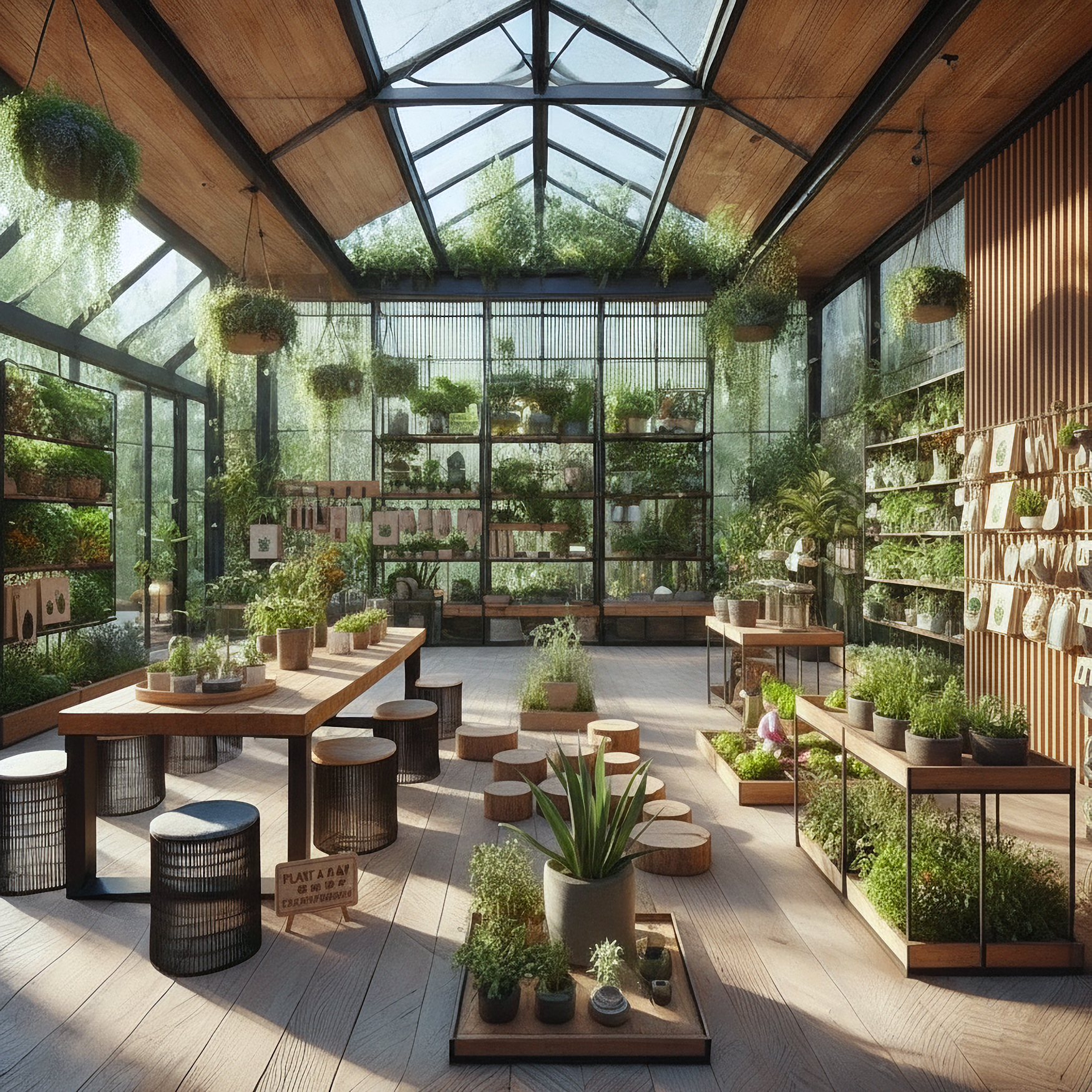
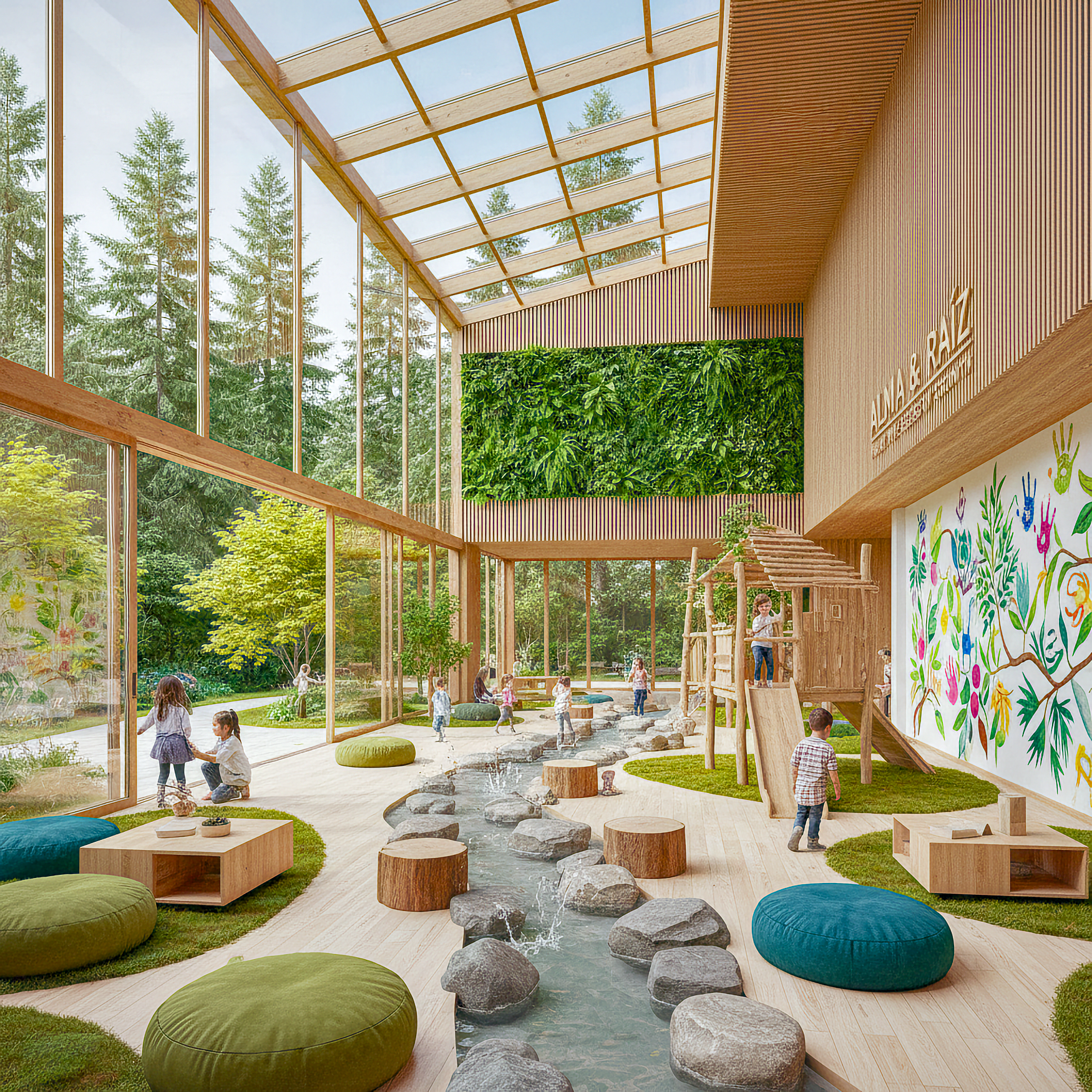
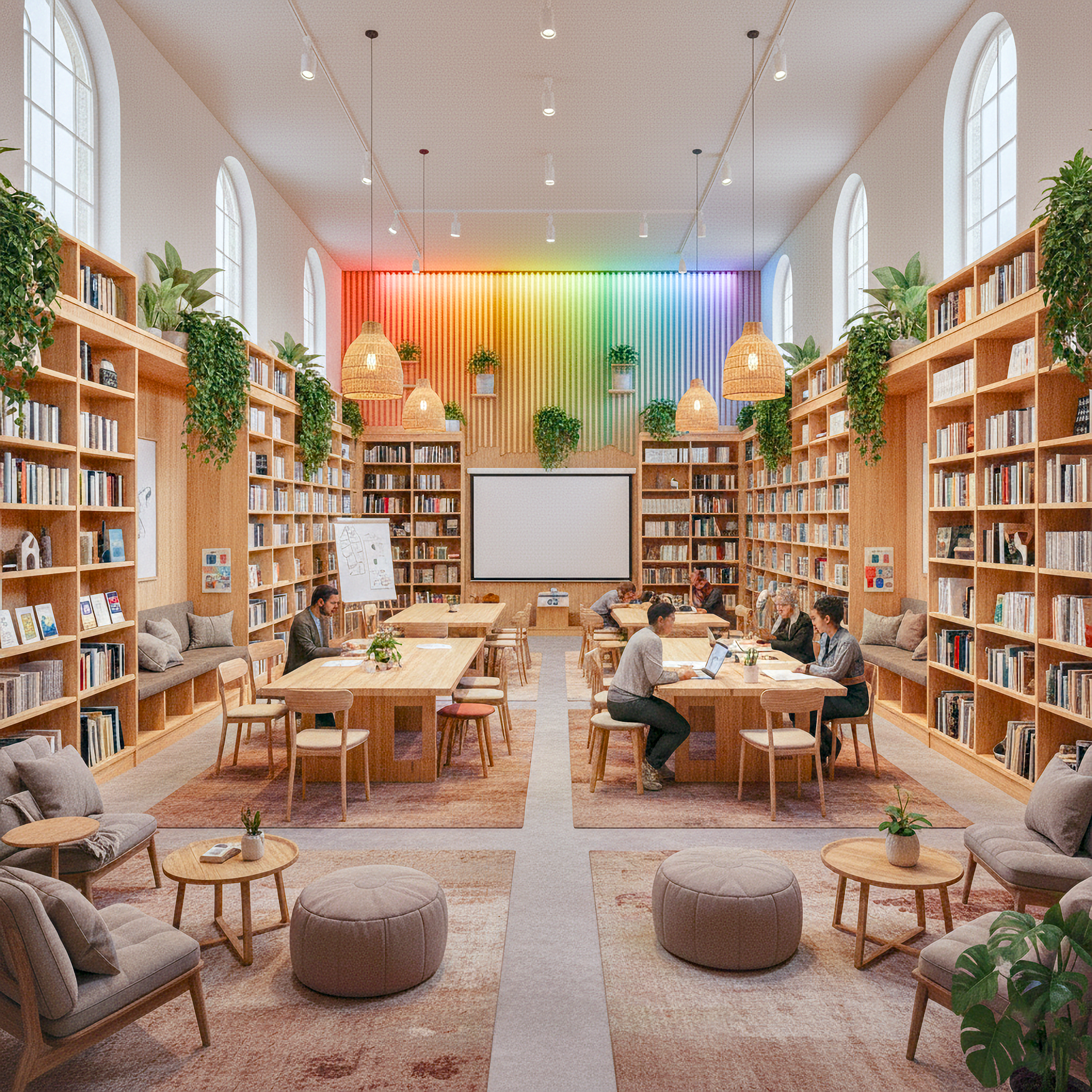
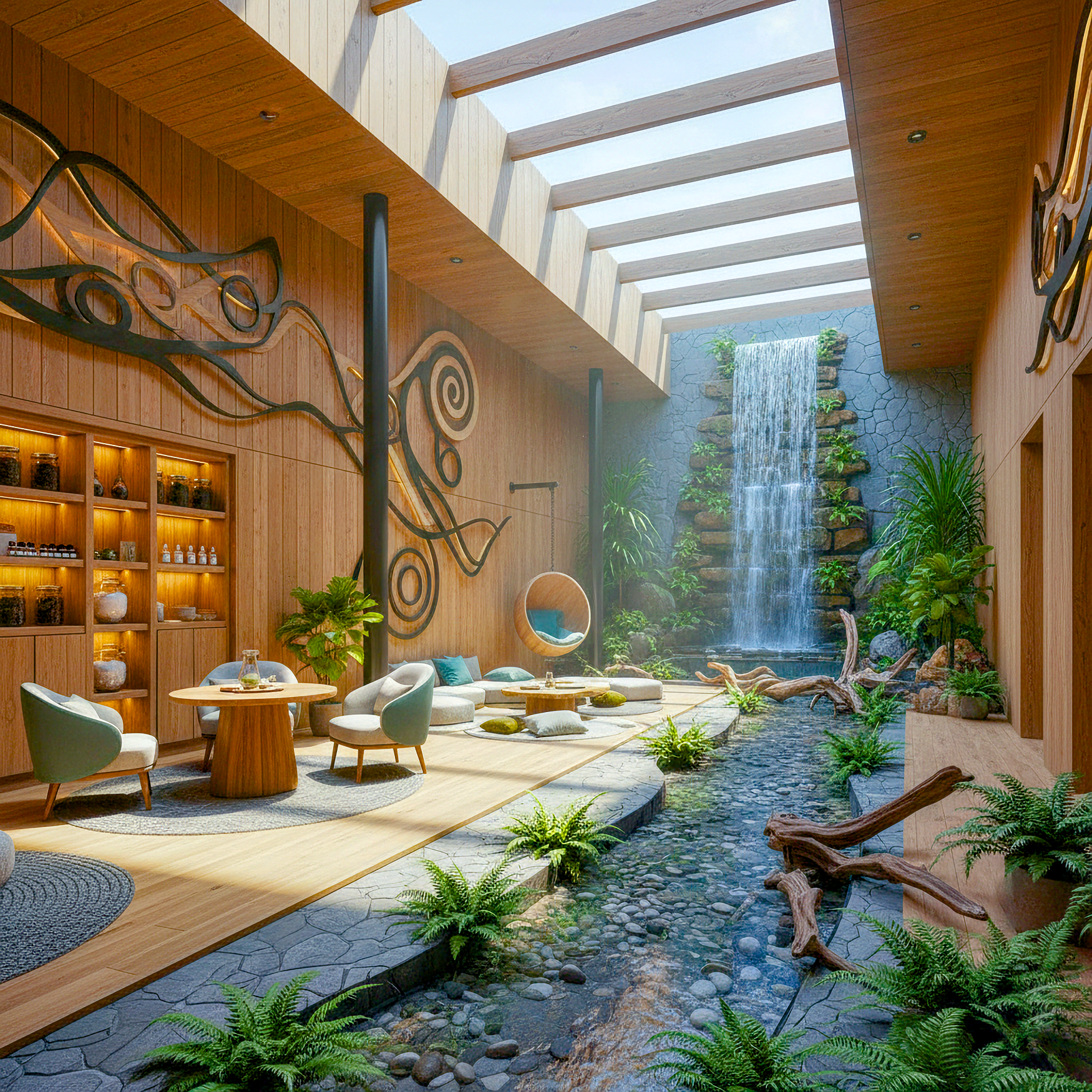

“I dream worlds where kindness is the default design pattern, where belonging becomes the scaffolding that holds everything up, where authenticity frames the walls and the roof, and where safety is not a feature but the whole point”
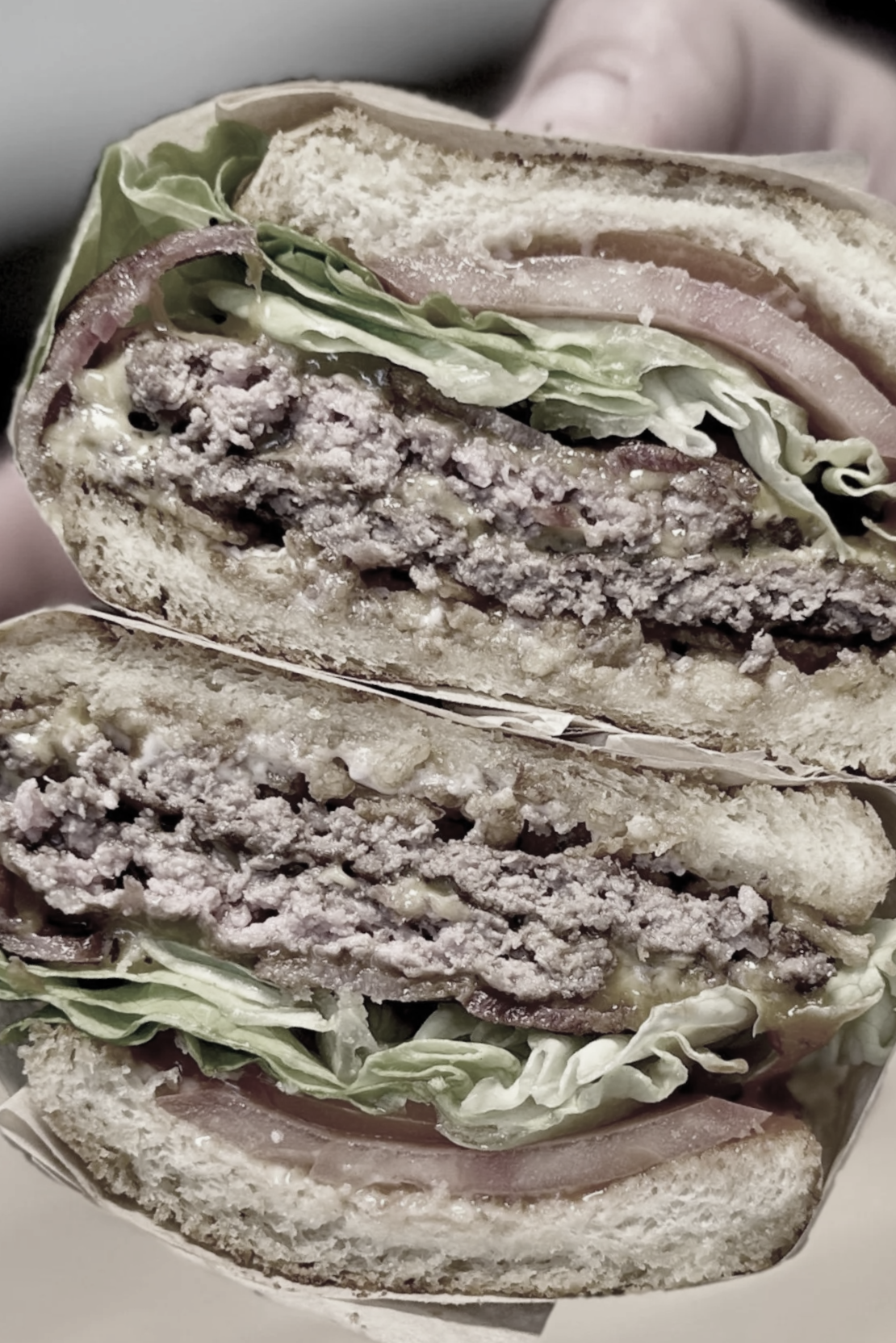
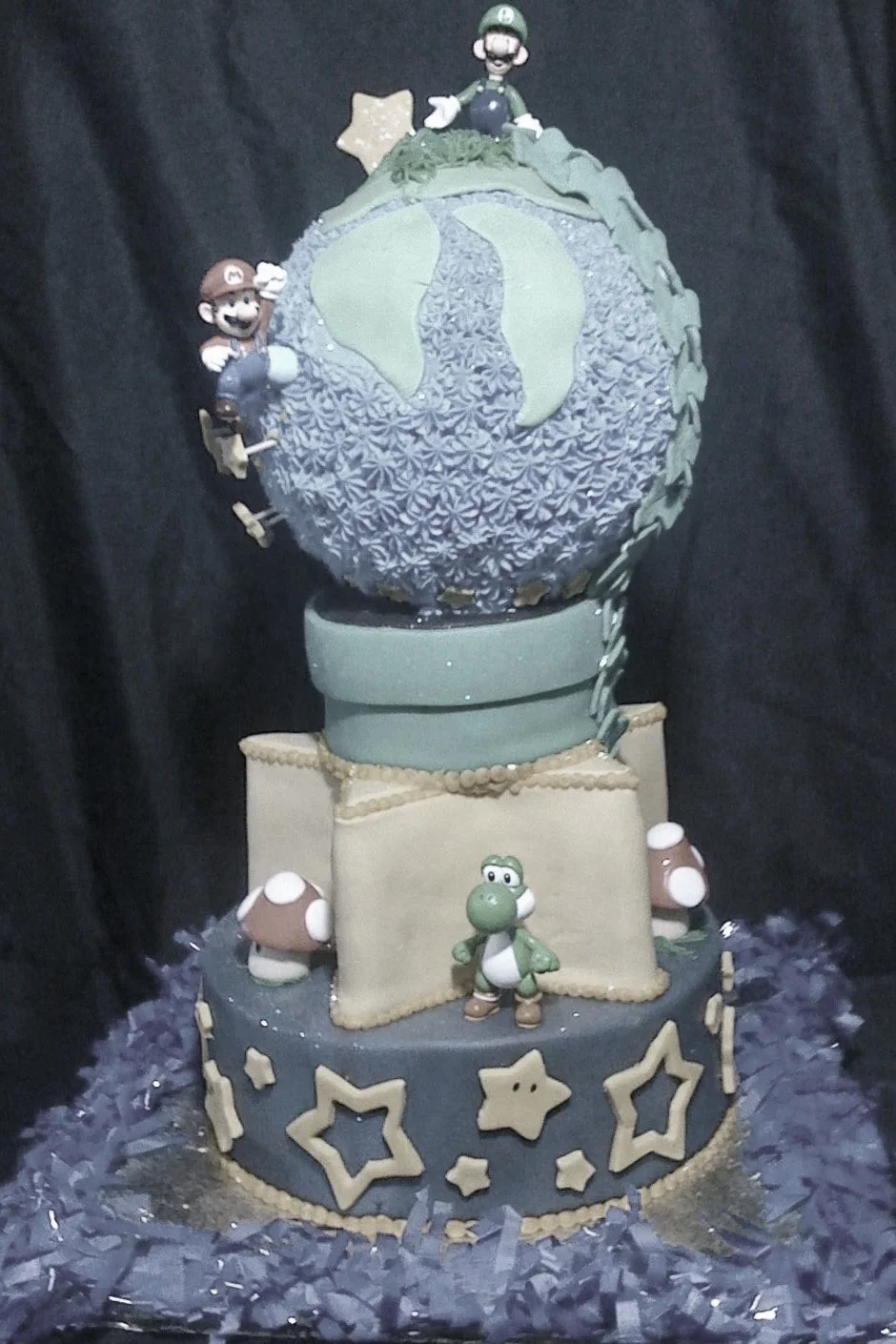
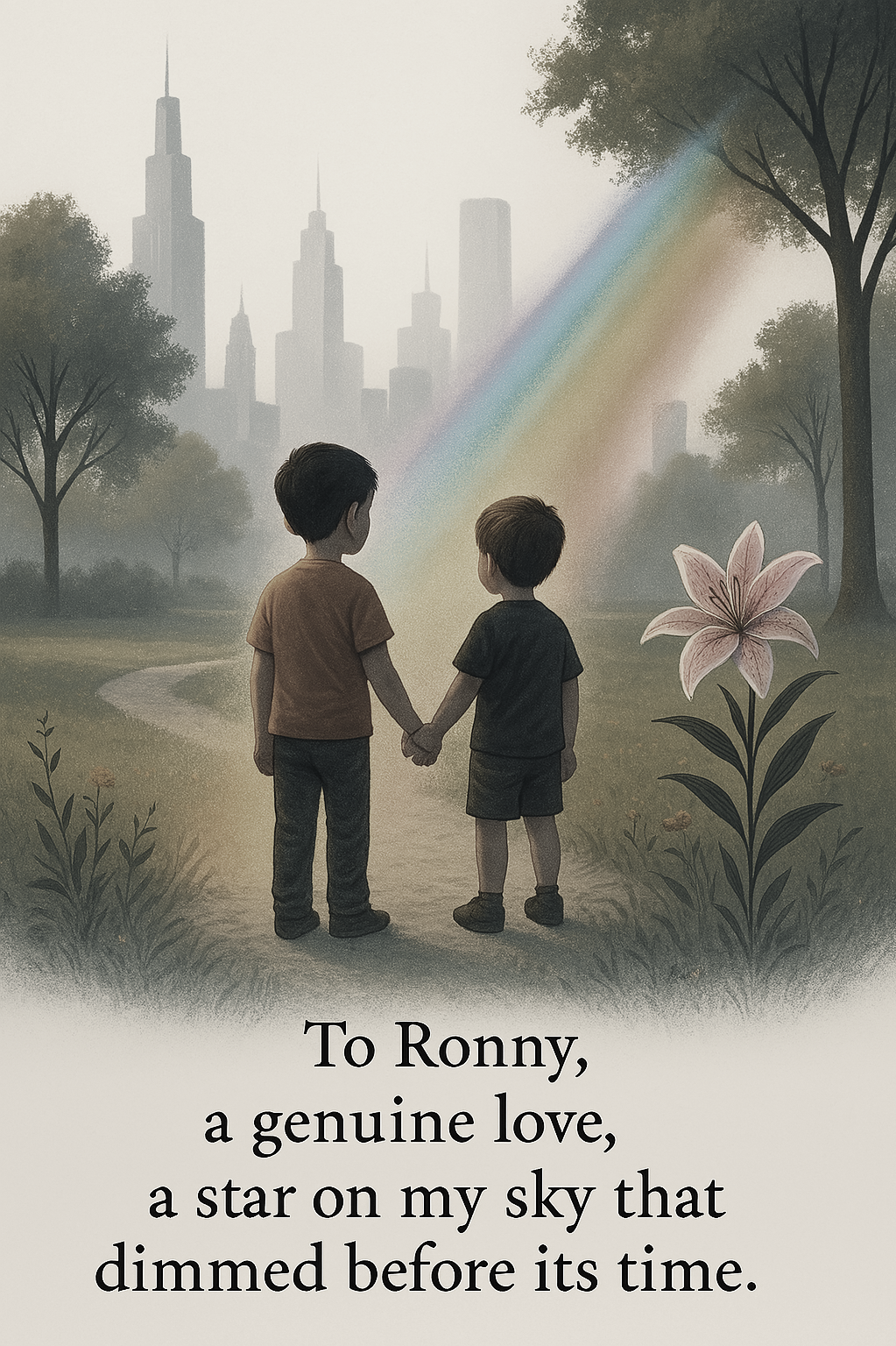
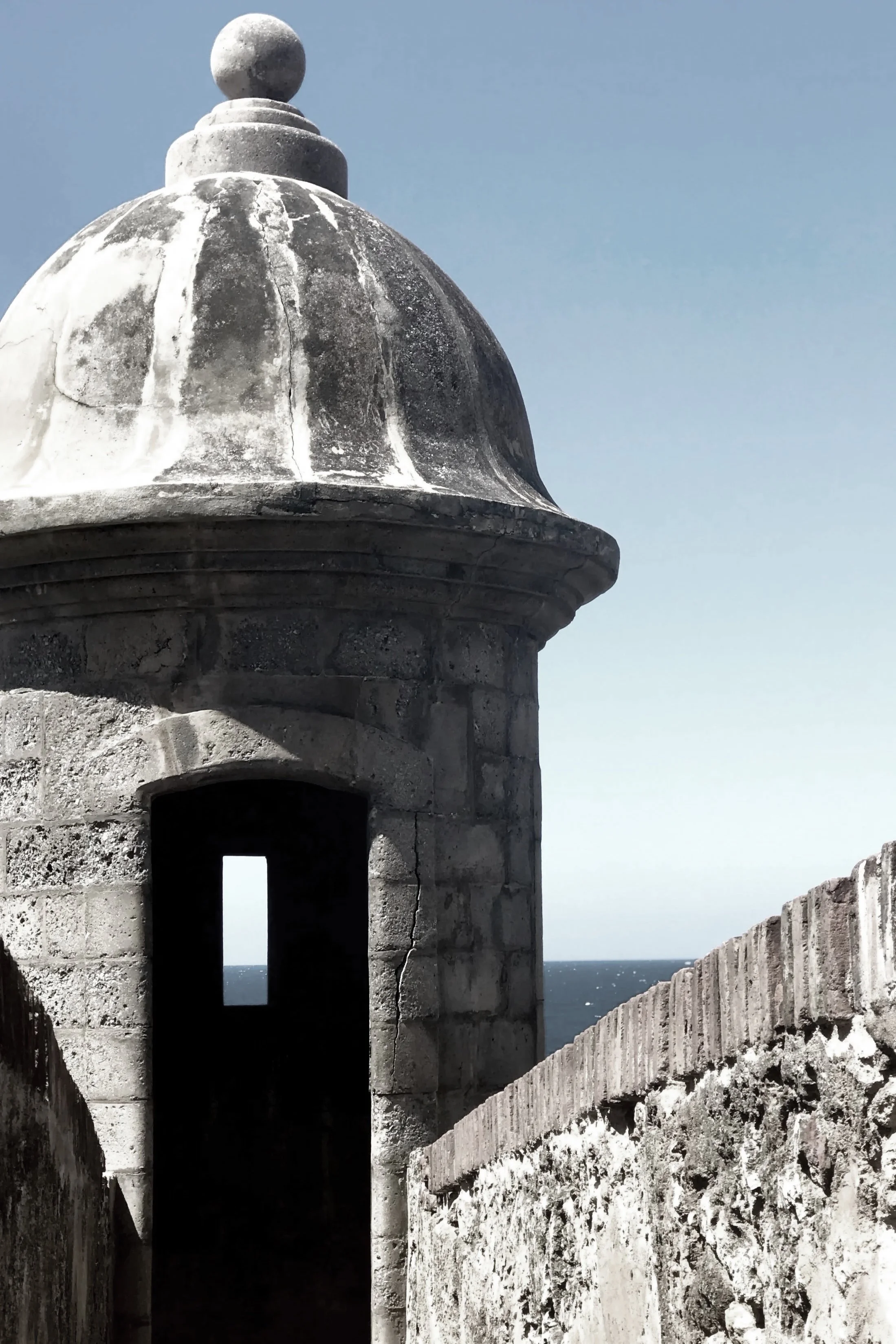
The First Archivist: “Me, Myself & I”
“In the depth of winter, I finally learned that within me there lay and invisible summer.”
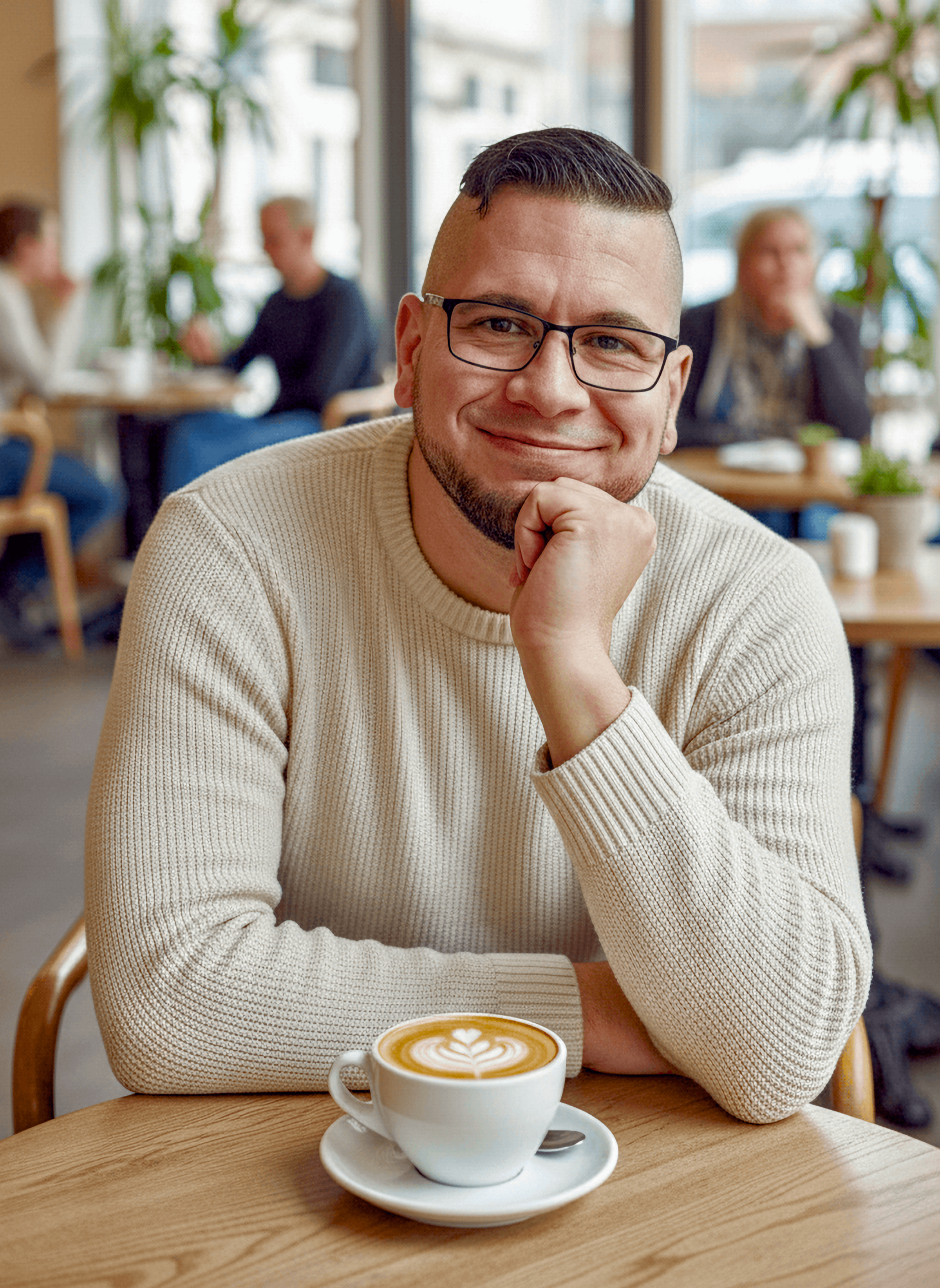
- I’ve lived a few lives already -
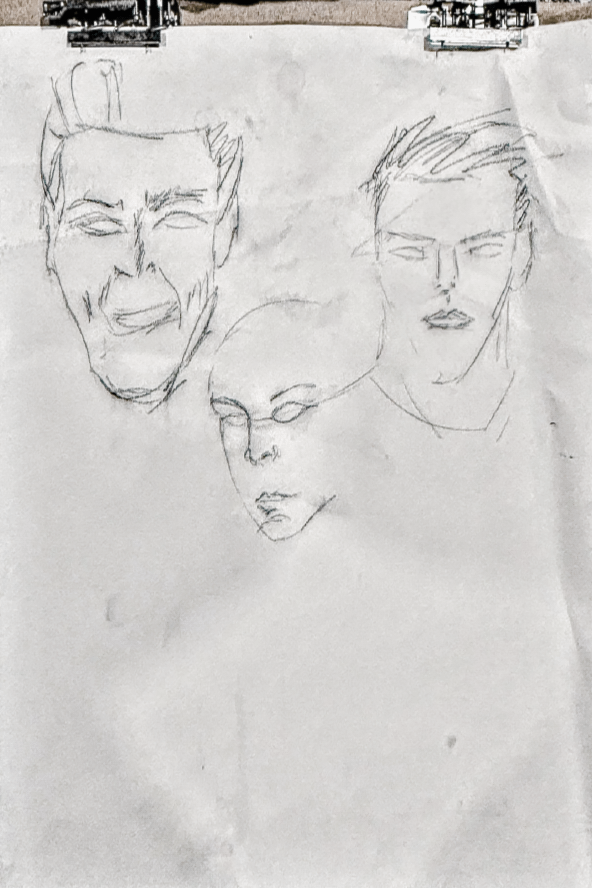
The maker came first: the kid who needed to build something with his hands to understand the world. Drawing, cooking, painting, photography, gardening… if it let me shape an idea into something real, I was there. Creation has always been my first language.
The mentor showed up later. I’ve always had a pull towards coaching, helping people see the skills, the drive, the talent they can’t yet see in themselves. It’s one of the constants in my life, no matter the job or the setting.
The traveler is mostly an inward one. I love seeing the wonder in everyday things, the small, quiet magic that most people walk past. New experiences and flavors, new horizons and connections.
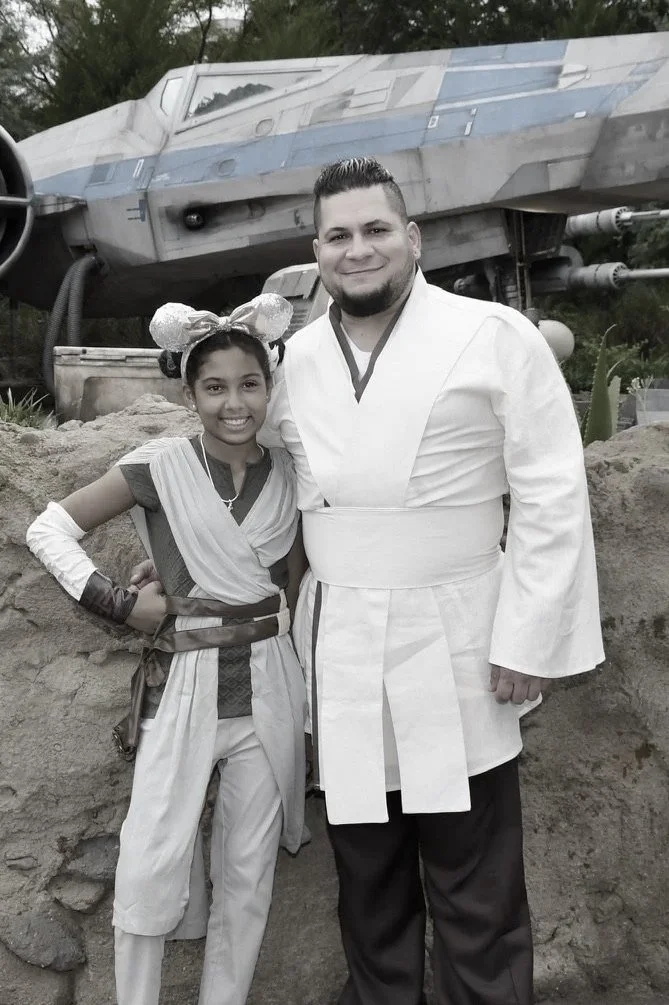
The husband is the part of me forged through fire, time and weather. Fourteen years of partnership that has held through tornadoes and hurricanes, quiet winters, loud summers, grief, growth, and everything in between. He is the one who taught me what belonging actually feels like.
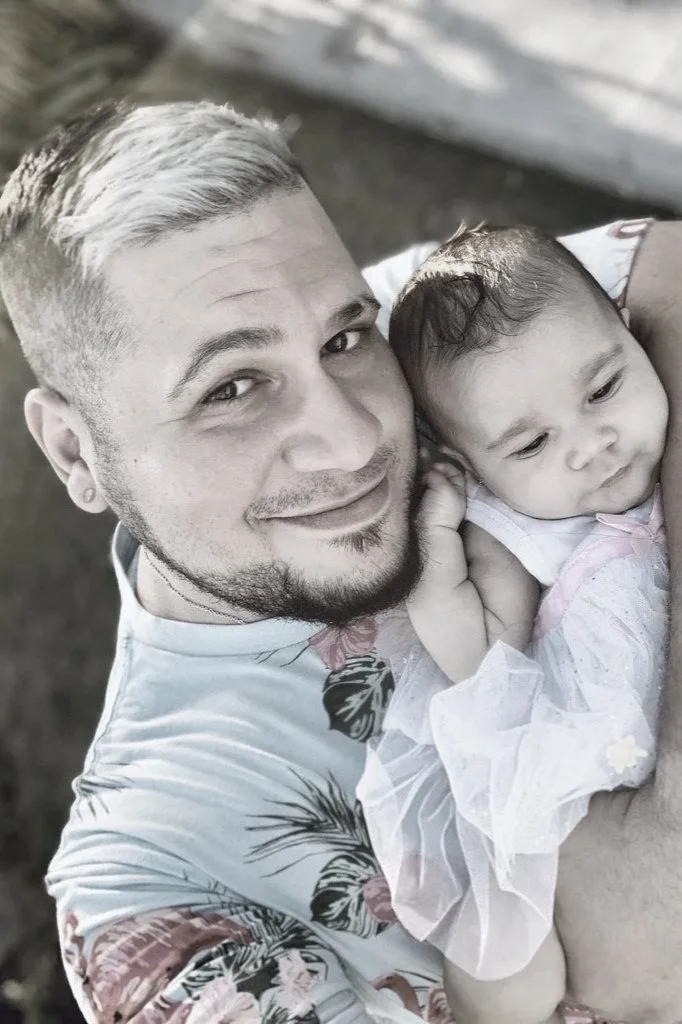
And then there’s the archivist, the keeper of my first two lives. He is the one who gathered all the lessons, scars, jokes, and strange little wonders and turned them into stories, into full universes of awe and wonder. Each one carrying pieces of who I was, who I am, and who I’m still becoming. All this pieces brought me here.